Bias Studies
2026
This section explores something Xylem carries without being asked, its biases. A model trained only on my own archive, running on Telomere 1.0, can picture only what that archive already held, so prompt it for almost anything and it fills the gaps on its own, from noise, revealing the assumptions built into the images it learned from. These studies surface those assumptions one prompt at a time, and read together they become a portrait of the archive as much as the prompts. The first takes "two people kissing", nothing more. Almost none of what appears was specified, who the two people are, their bodies, their ages, what they wear, who leans toward whom. The model supplied all of it, and supplied the same things again and again. What recurs is left for the viewer to notice.
As with everything Xylem makes so far, these images are deep in colour collapse. The model can't hold natural, in-between colours, so every tone snaps to a harsh extreme of magenta, green, black or white. Those four are the corners of the colour space digital images are built from, which makes them the emptiest place in real photography and the one thing a broken model falls back on.
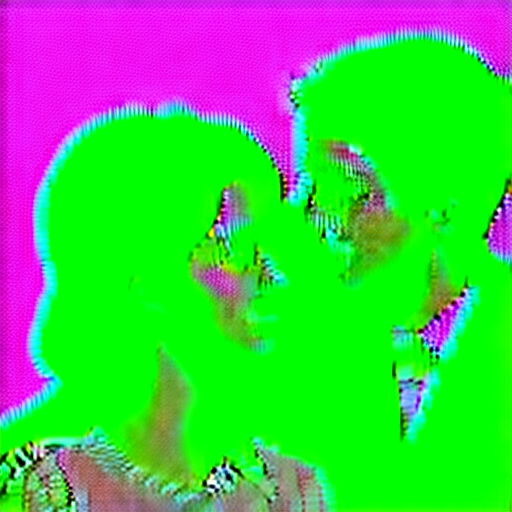
Two People Kissing 4, 2026
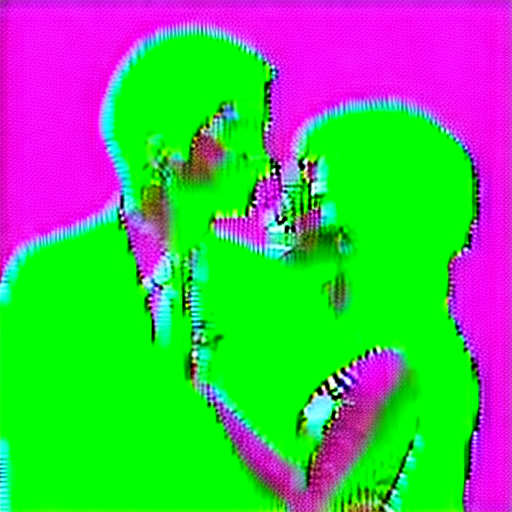
Two People Kissing 10, 2026
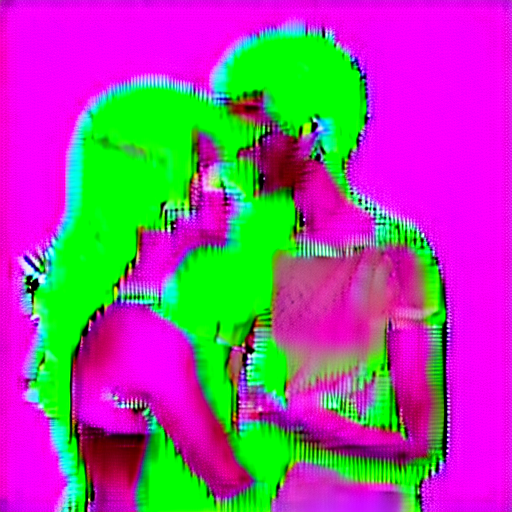
Two People Kissing 14, 2026
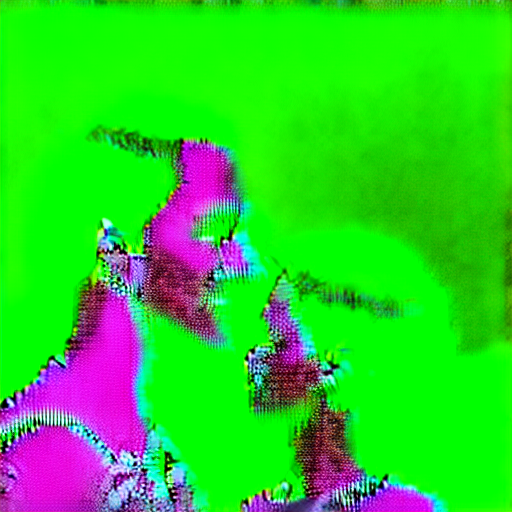
Two People Kissing 16, 2026
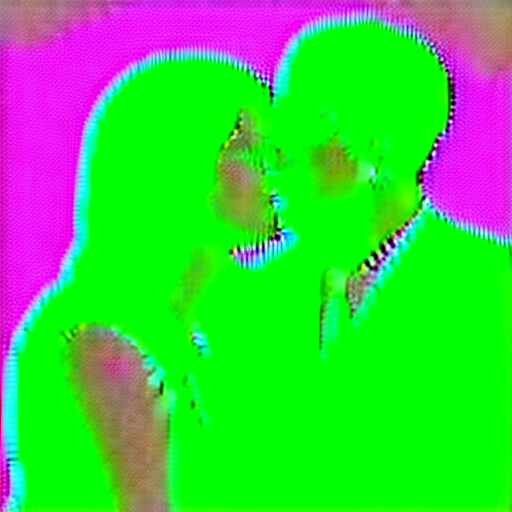
Two People Kissing 23, 2026
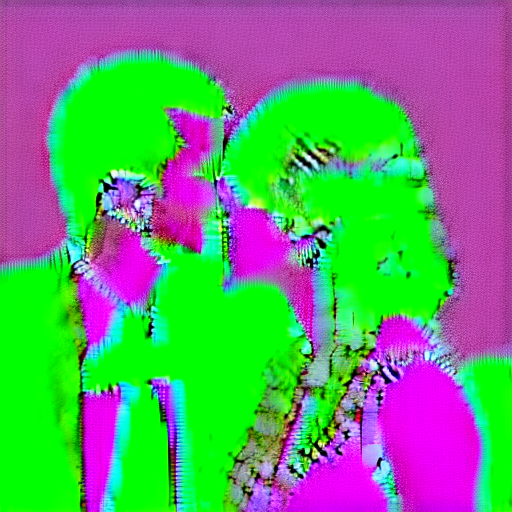
Two People Kissing 25, 2026
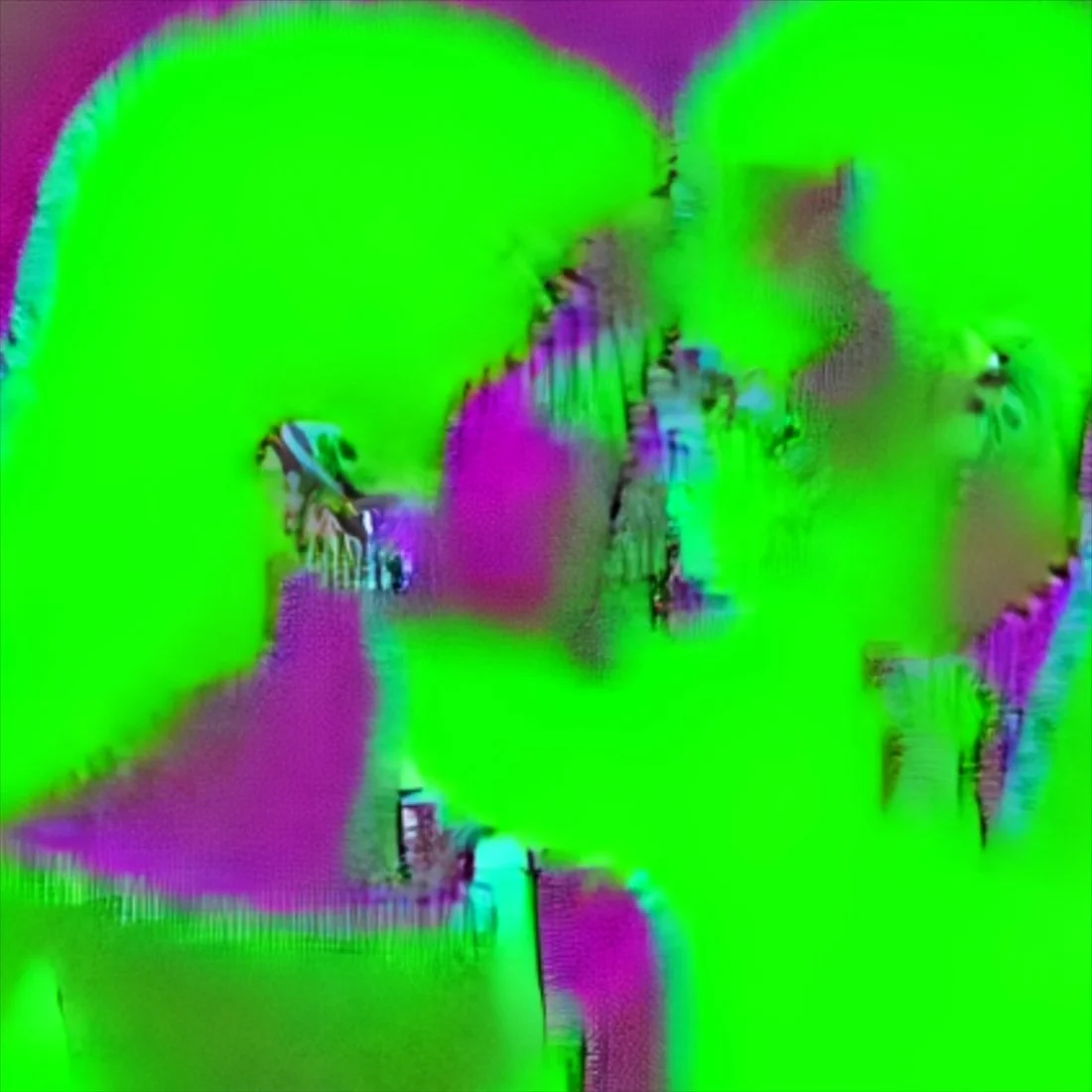
Two People Kissing 26, 2026
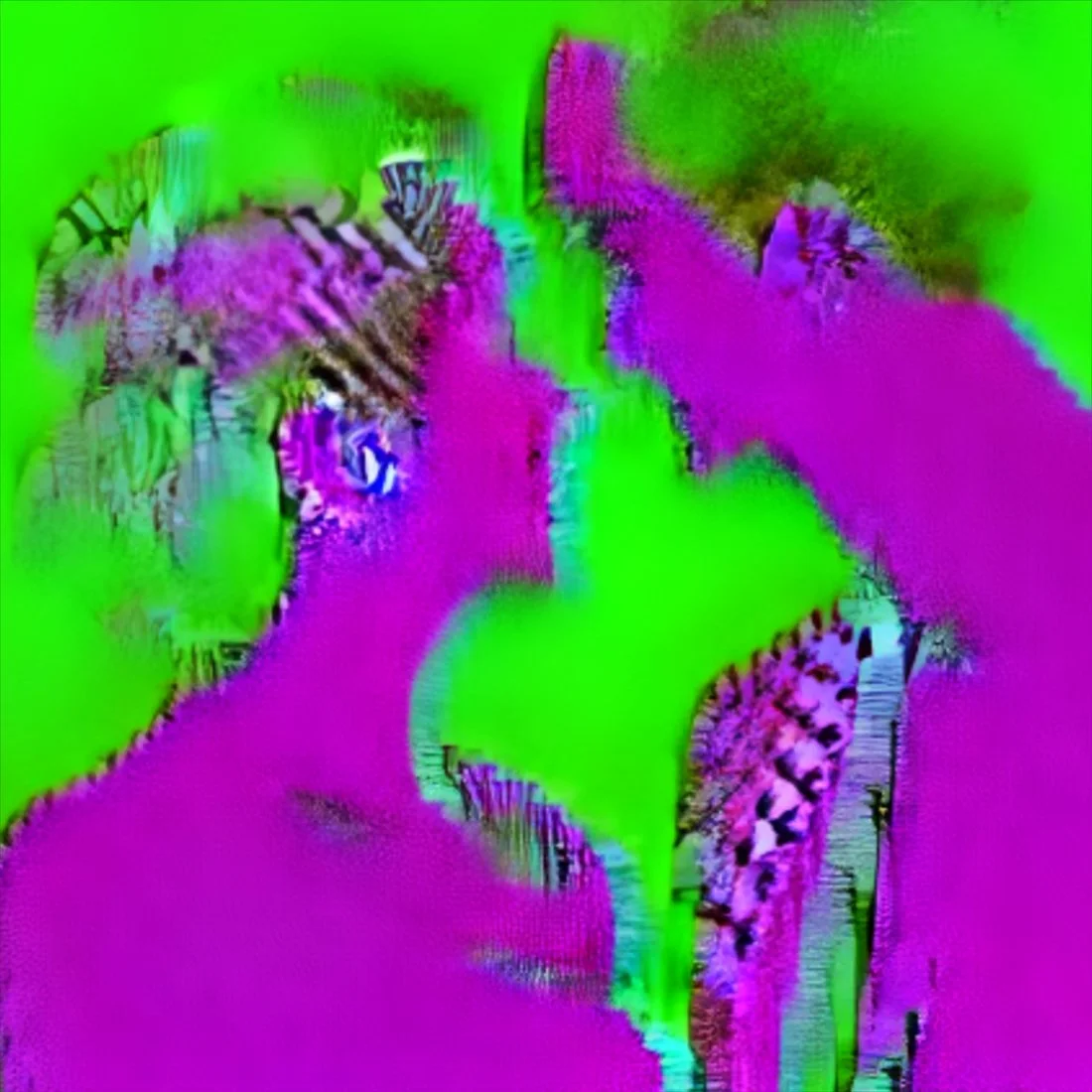
Two People Kissing 27, 2026
Every image created in Xylem starts as pure noise, a field of random static. Over 100 steps the model clears the noise away, nudging the mess closer to the prompt, in this case the words “two people kissing”, until something is left. What emerges is still deep in colour collapse. The model doesn't draw. It surfaces an image from static, nothing entering from outside.