Xylem
2026 (ongoing)
Most AI image generators are trained on the open internet. They're built from billions of pictures, scraped at a scale almost no one agreed to. When an image comes back it's been assembled from countless people's work without their say. That's the quiet problem at the heart of generative AI. Xylem starts from the opposite end.
Xylem is a work by Novak in the form of an app that generates images from a single library: over 100,000 photographs, drawings, and works he made himself. It runs on his own model, Telomere 1.0, trained on that archive alone. Built from scratch in every sense, model and code both. Nothing is scraped, nothing is borrowed, nothing connects to the cloud, right down to the words used to describe the images.
That comes at a cost, and the cost is the point. A model that's only ever seen one person's work has a narrow world to draw on, so the images come back soft, strange, sometimes barely legible. It can only answer for what it's seen. The roughness isn't a flaw. It's what a generator looks like when it draws on one person's work and nothing more, and it's the work asking what such a thing could be.
Underneath the ethics there's a second thing running. Xylem makes art out of art. The practice becomes the dataset and the dataset becomes the medium, so the work folds back on its own history and asks what a closed system can generate from itself. Everything it produces is downstream of work already made, which puts thirty years of looking through the same eye into a single closed loop and asks what comes out the other side.
Xylem is an ongoing project rather than a finished work, retrained and improved over time, with the outputs, the breakthroughs, and the failures recorded on this page.
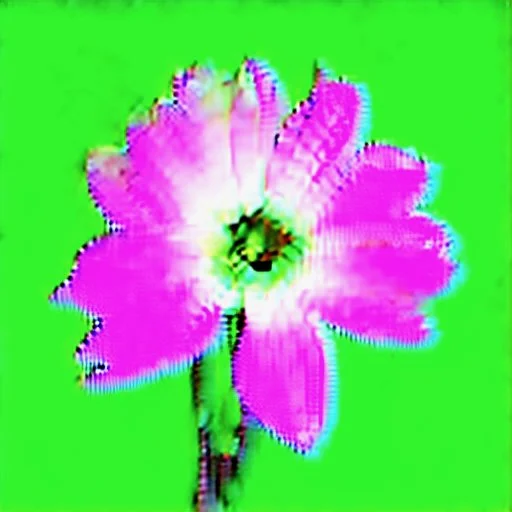
Flower Studies (Telomere 1.0), 2026
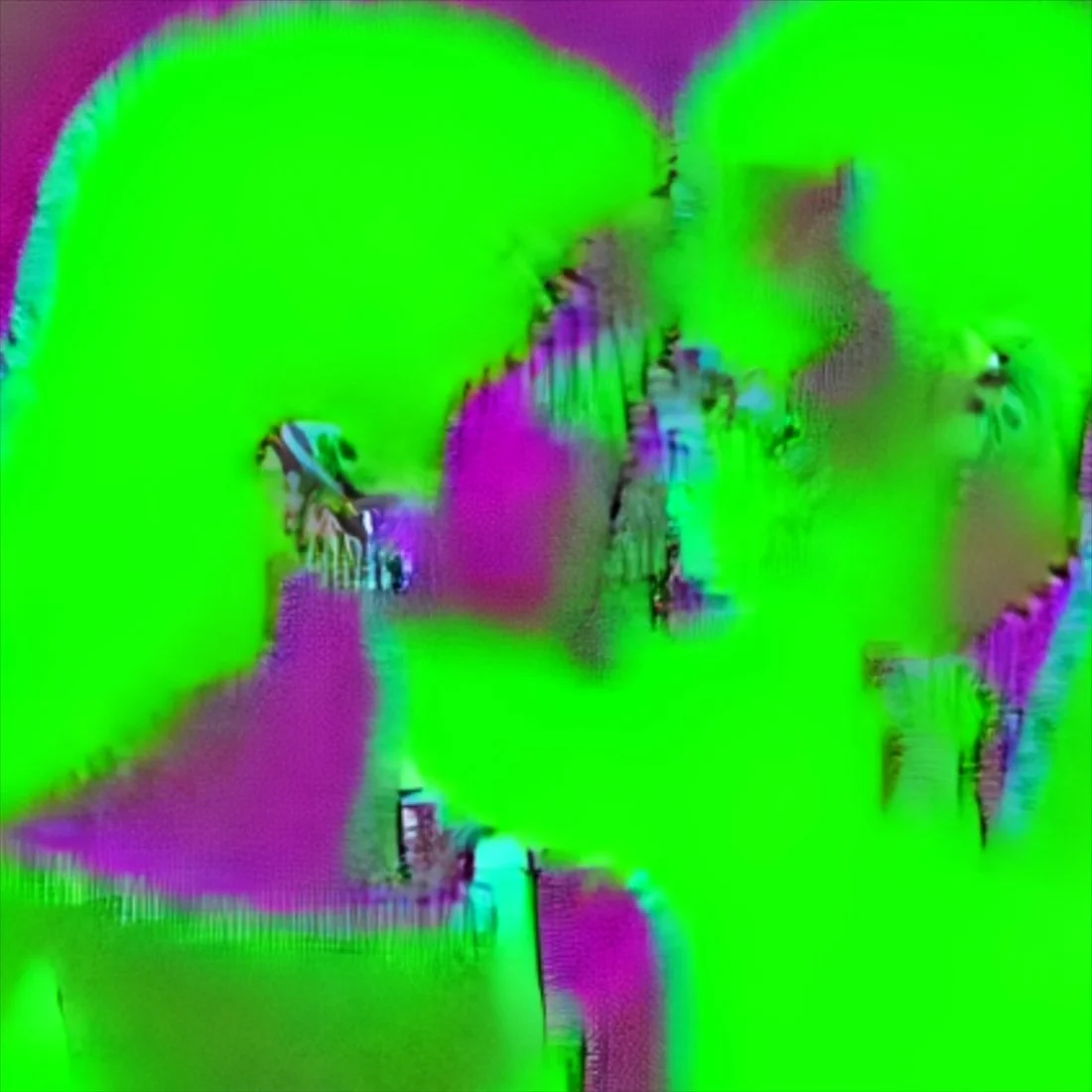
Bias Studies (Telomere 1.0), 2026

Emotion Studies (Telomere 1.0), 2026

Character Studies (Telomere 1.0), 2026