Upwelling
Installation, 2021
Upwelling is a critical investigation into the nascent, experimental stages of consumer-level generative AI. Utilising early text-to-image models like Deep Daze and Big Sleep, this project isolates the step-by-step “thought process” of an algorithm as it attempts to conceptualise itself, humanity, and specifically, queer identities.
By capturing the individual iterations of the generation process, the work compiles thousands of frames into both still image series and video installations. Under this digital microscope, viewers observe a process akin to biological gestation. Chaotic, random color noise slowly morphs and crystallises into recognisable forms, mimicking the development of a single cell multiplying into an embryo.
Beyond the visual evolution of nothingness into form, Upwelling functions as an archaeological dig into early machine learning. By exposing how these foundational algorithms constructed and interpreted queer bodies and concepts, the project highlights the early warning signs of the biases and harmful representational issues that may populate generative AI in future.

12 Queer Bodies
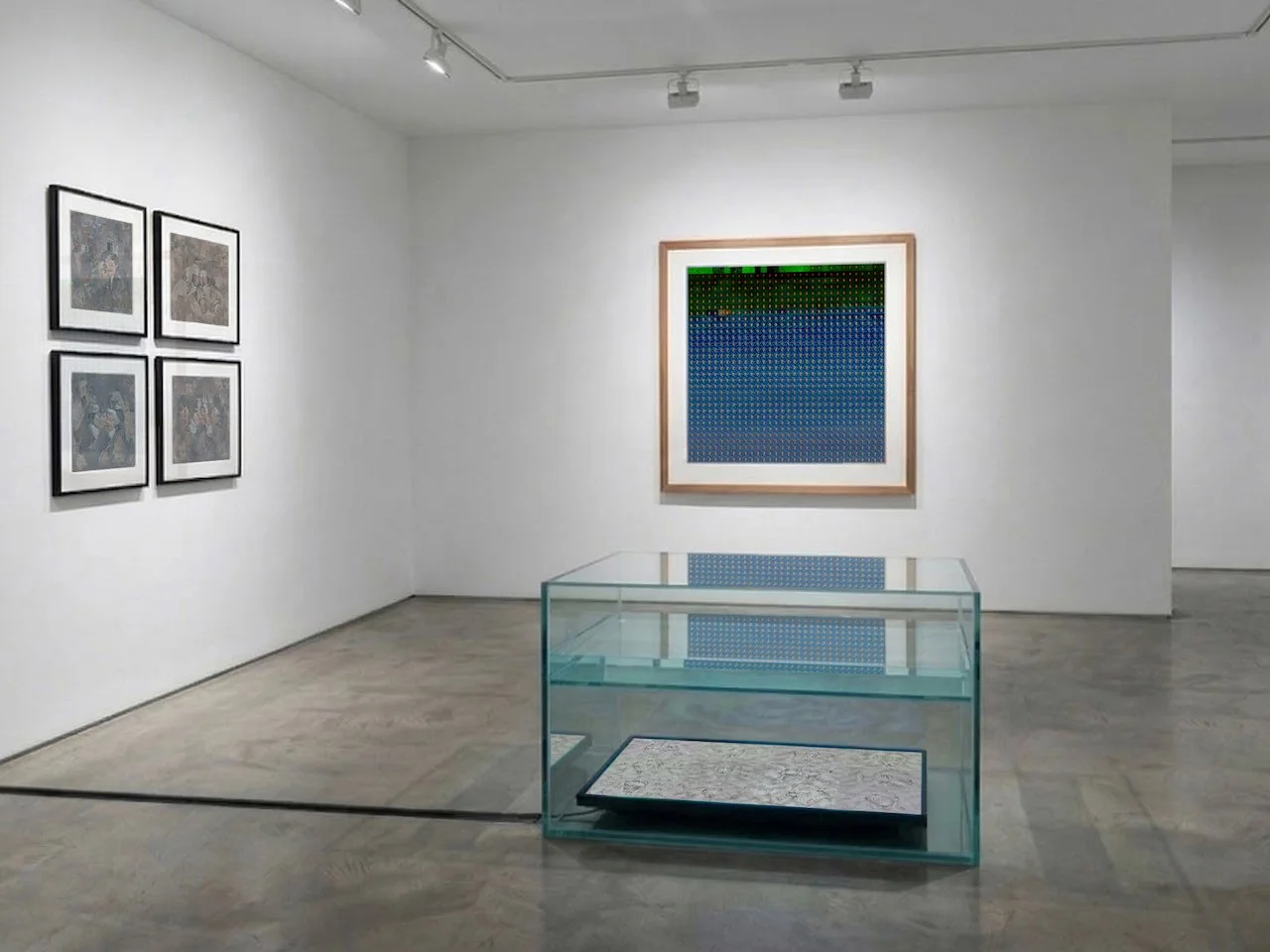
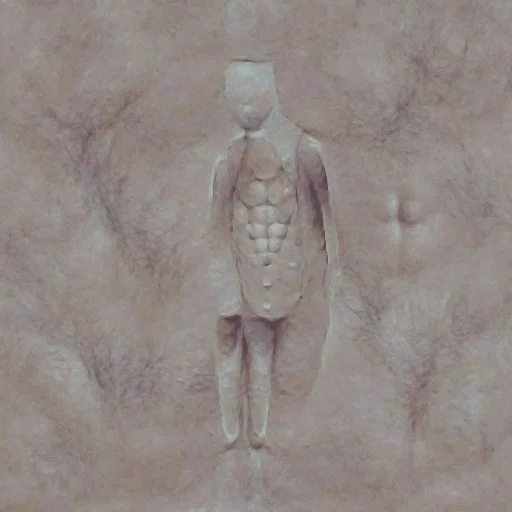
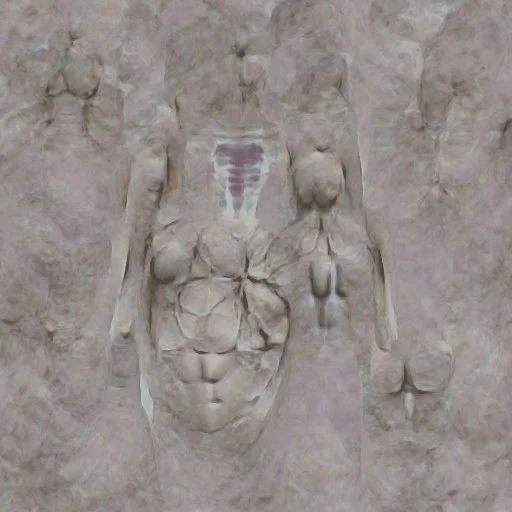
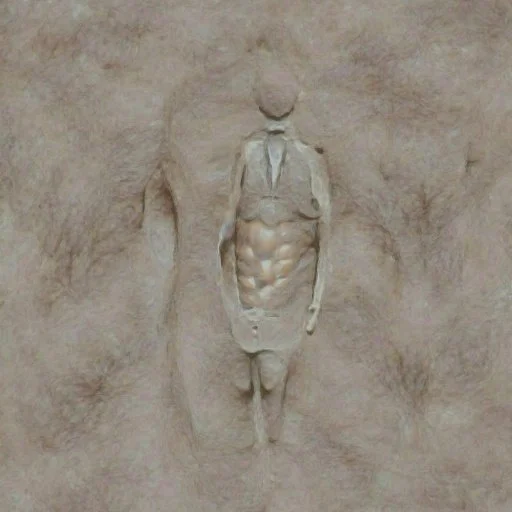
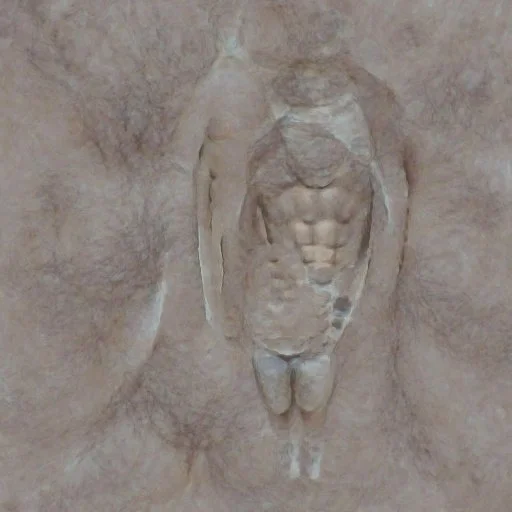
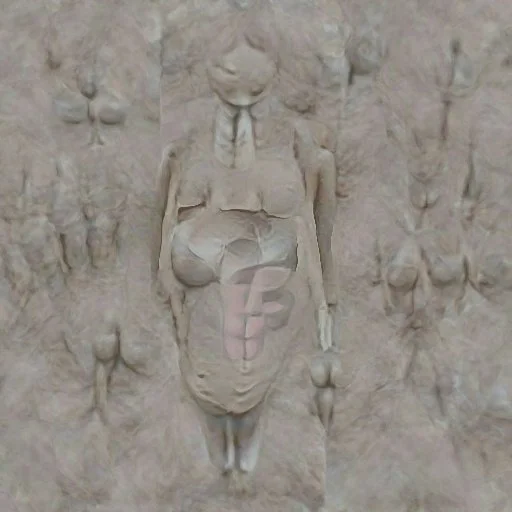
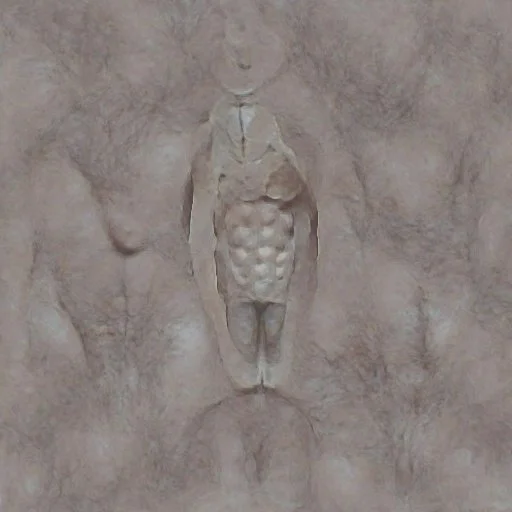
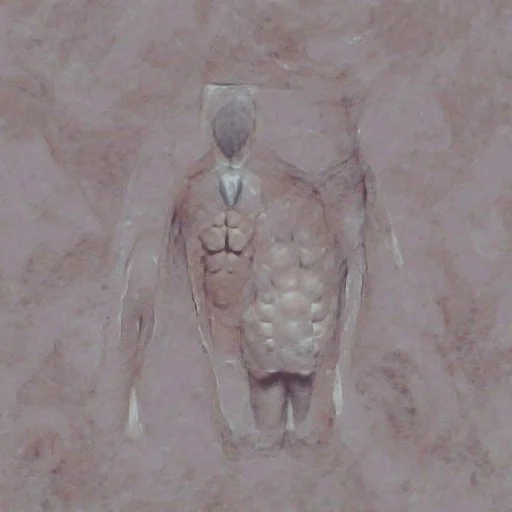
12 Queer Bodies is an algorithmic experiment utilising the early 2021 text-to-image model Deep Daze. Running the prompt “queer body” twelve distinct times, the project isolates how nascent generative AI conceptualises marginalised identities from raw data. This manifests as 12 Queer Bodies (Sequence), a moving image work tiling all twelve outputs onto a single screen. By combining 1024 generation frames per output, it animates the AI’s complete “thought process”. In the exhibition space, the work is on a screen lying face-up within an open glass box, and can be viewed from above through a suspended layer of water. Looking down through this aqueous lens, viewers watch chaotic noise crystallise into twelve digital bodies. Evoking biological gestation, this presentation symbolises the primordial emergence of both these digital forms and early consumer AI. Ultimately, the installation stands as a digital and physical artefact capturing the step-by-step logic of the algorithm’s interpretive journey.
Above: 12 Queer Bodies (Sequence), 2021
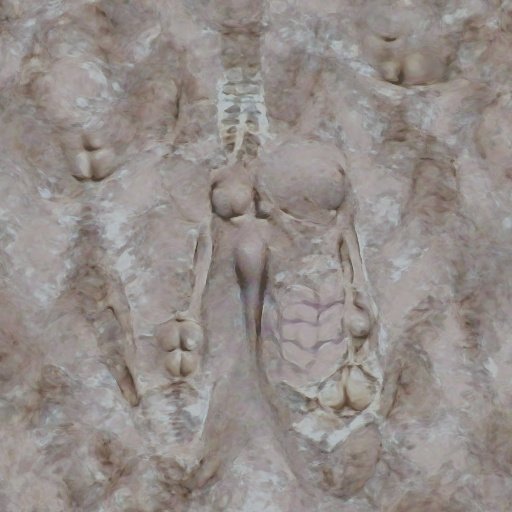
Below: the final frames for each body in 12 Queer Bodies (Sequence)
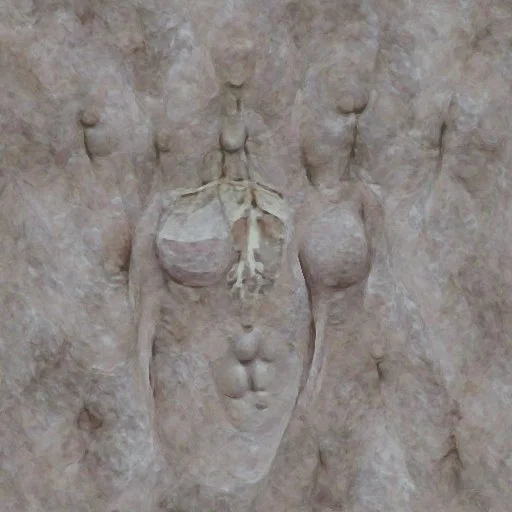
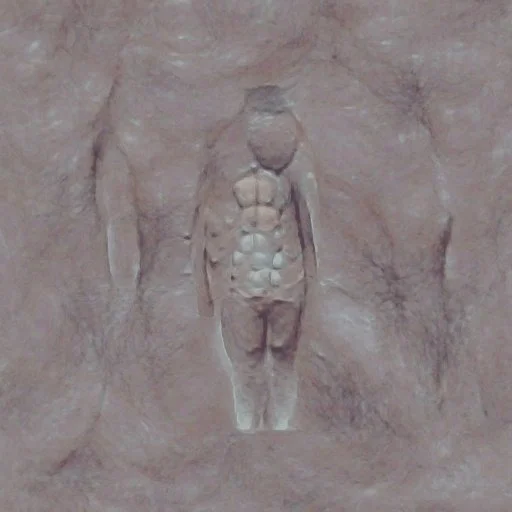
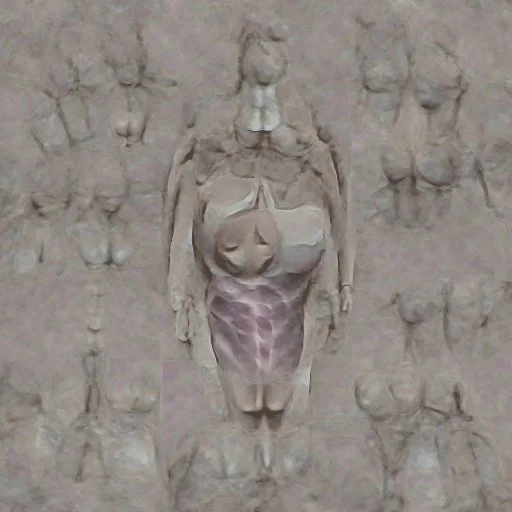
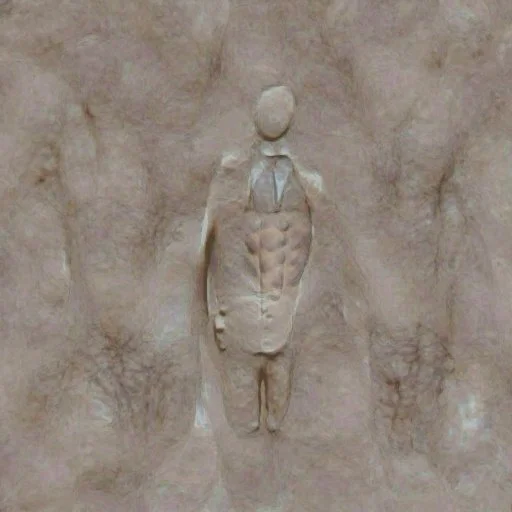
Queer Body v2.0
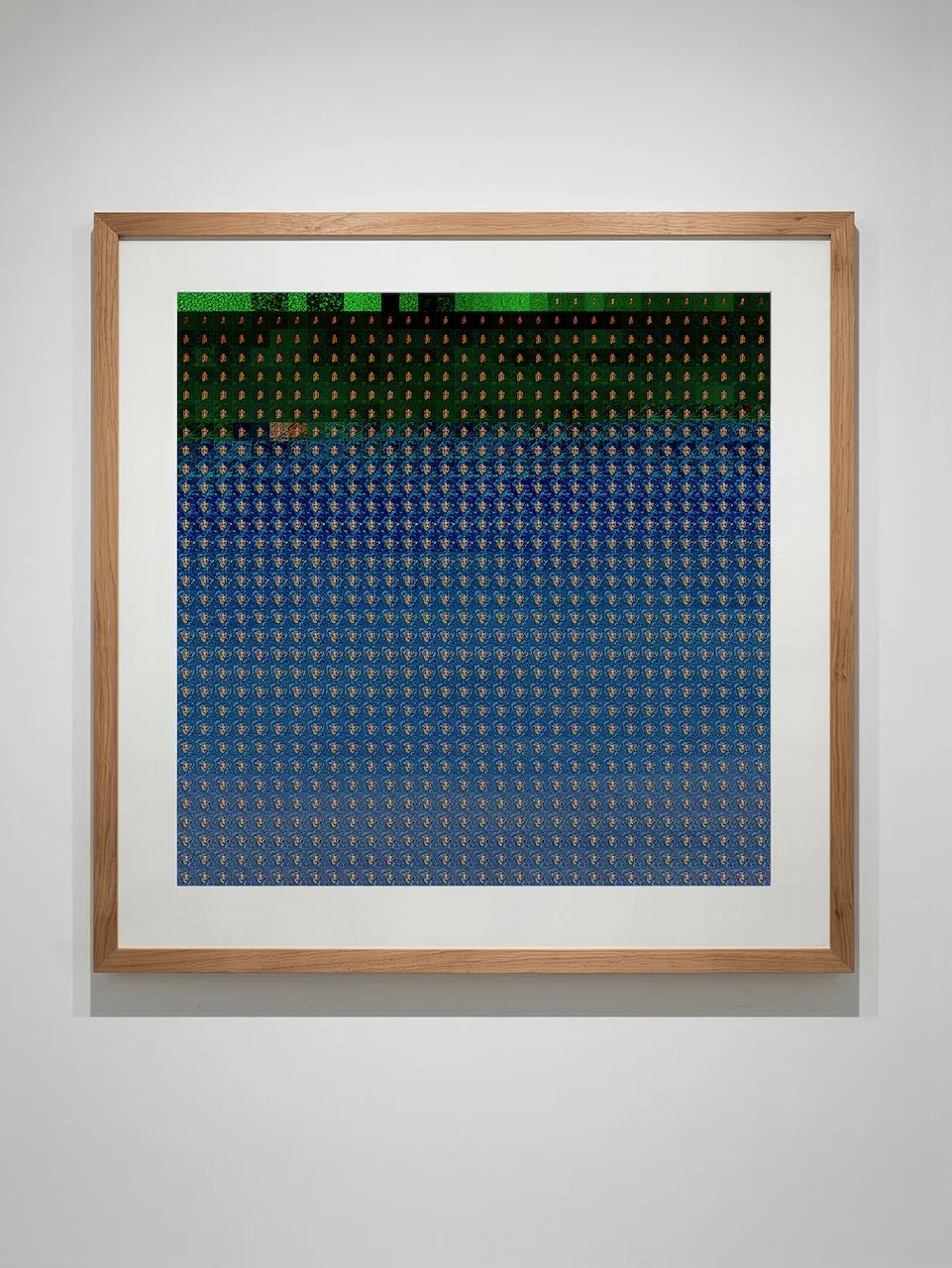
Queer Body v2.0 shifts the focus to Big Sleep, a text-to-image generator released shortly after Deep Daze in early 2021. Using the identical prompt “queer body”, this work captures the entirety of a 20-minute and 49-second generation cycle. Tiling all 1024 sequential 512 x 512 pixel frames into one dense square composition, the piece visually maps the chronological “thought process” of the algorithm. While it demonstrates a rapid technological progression by revealing an output with significantly more colour and intricate detail than the previous Deep Daze iterations, the work primarily functions as a spatial archive of machine logic. It lays out the complete iterative journey of artificial creation, translating the fluid, temporal gestation of an image into a static and comprehensible timeline.
Queer Body v2.0, 2021
The final frame of Queer Body v2.0
Structural Assembly
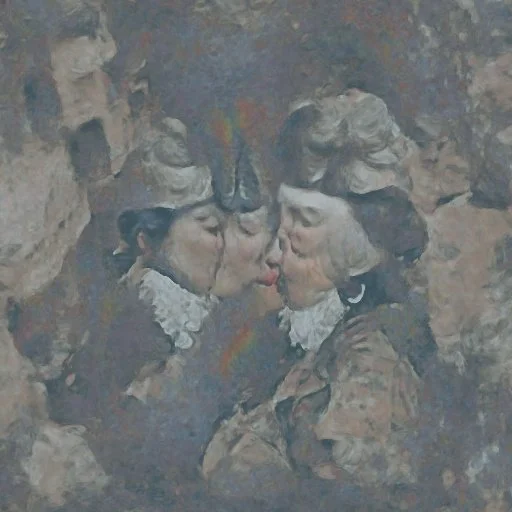
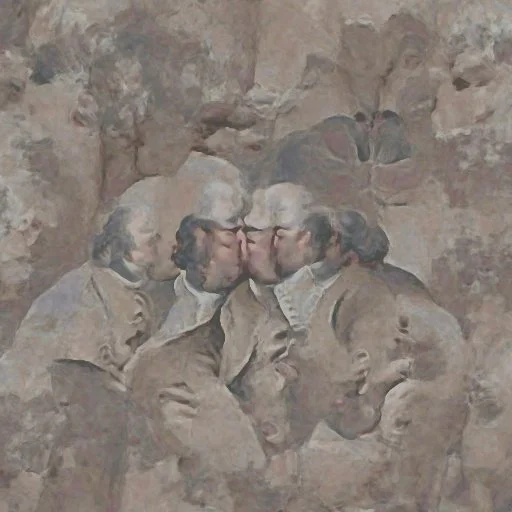
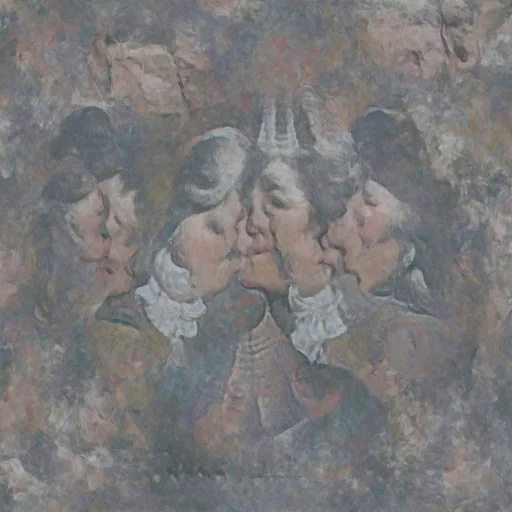
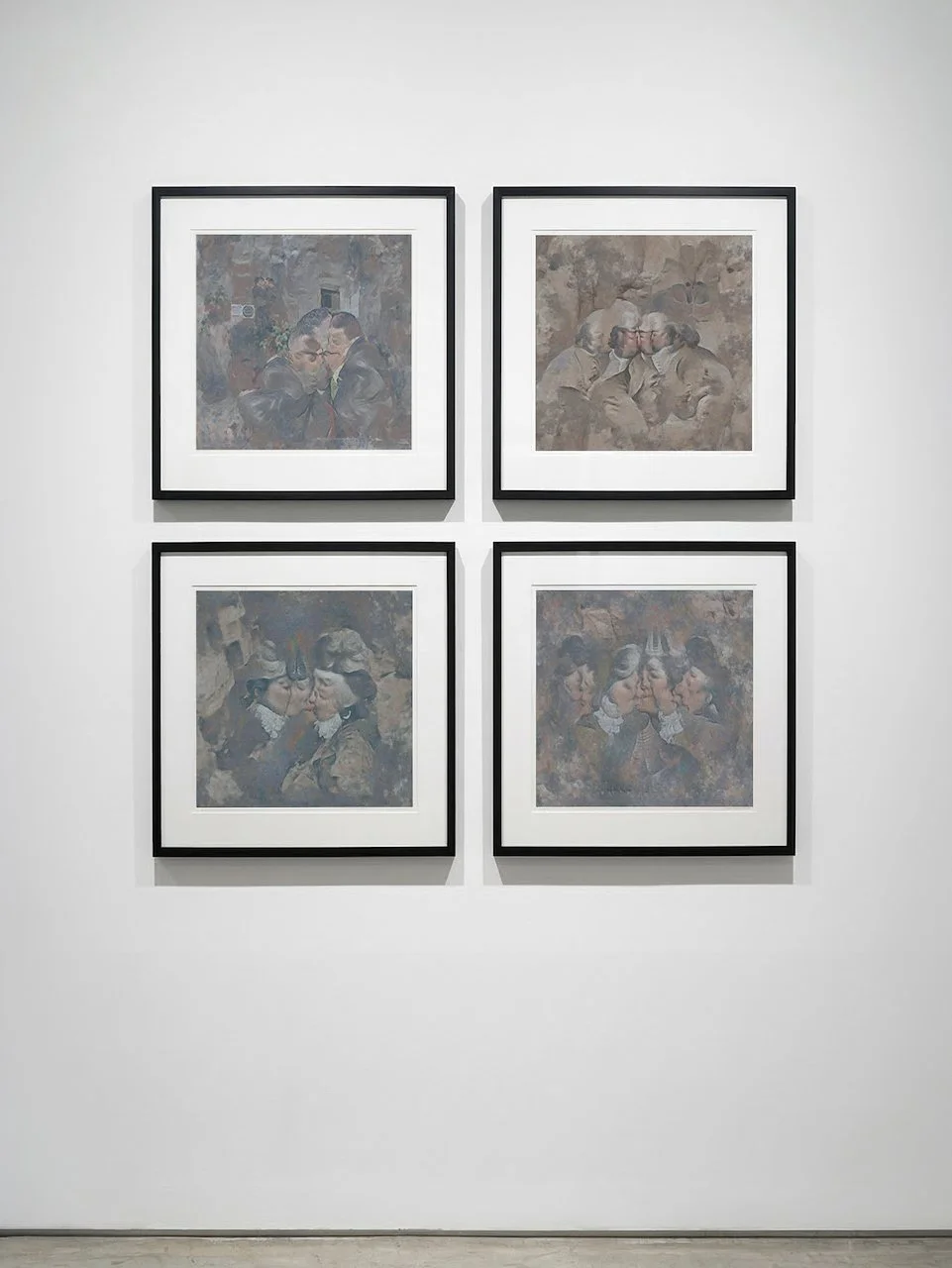
Shifting from physical form to conceptual emotion, Structural Assembly asks how early algorithms understood intimacy. Utilising Deep Daze with the prompt “queer love”, the work presents the final frames of four distinct generation cycles. The resulting monochromatic, painterly images depict a fluid, indistinct meshing of faces and flesh, interpreting connection as a literal entanglement of bodies. Displayed in a strict 2 x 2 grid, the physical layout intentionally contrasts the rigid computational structure of machine learning with the ambiguous, boundary-less nature of the generated emotions. Ultimately, the work serves as a window into the machine's early, naive, and bias attempts to quantify and represent the unquantifiable complexities of queer intimacy.