TBC
University Library, University at Albany, New York, US
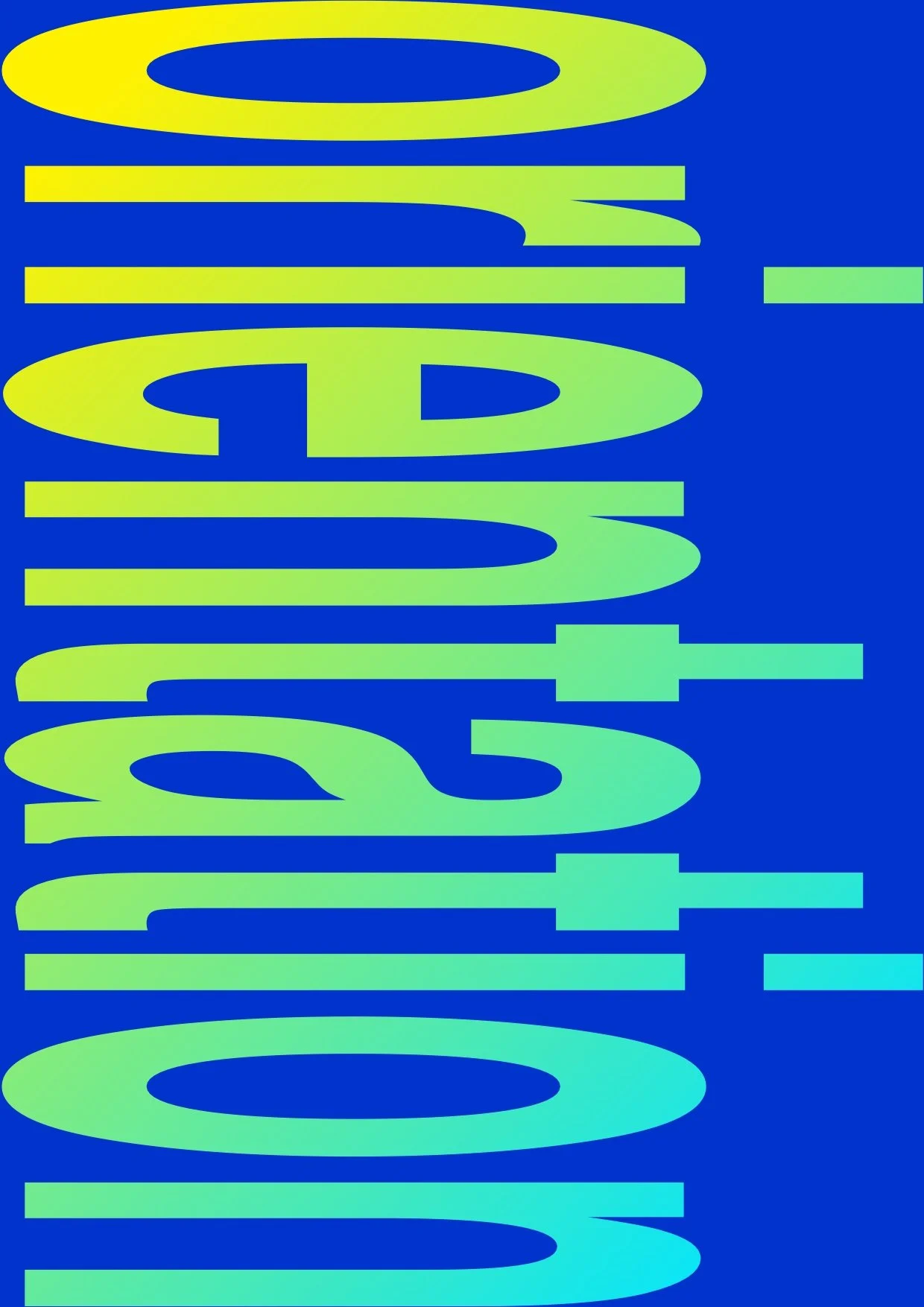
Across the United States, words and resources are quietly being erased. Since January 2025, the federal government has been scrubbing terms linked to LGBTQ+ communities from official websites and grant documents, while public libraries face record numbers of book bans. X steps directly into this quiet censorship to shine a light on exactly what is being hidden.
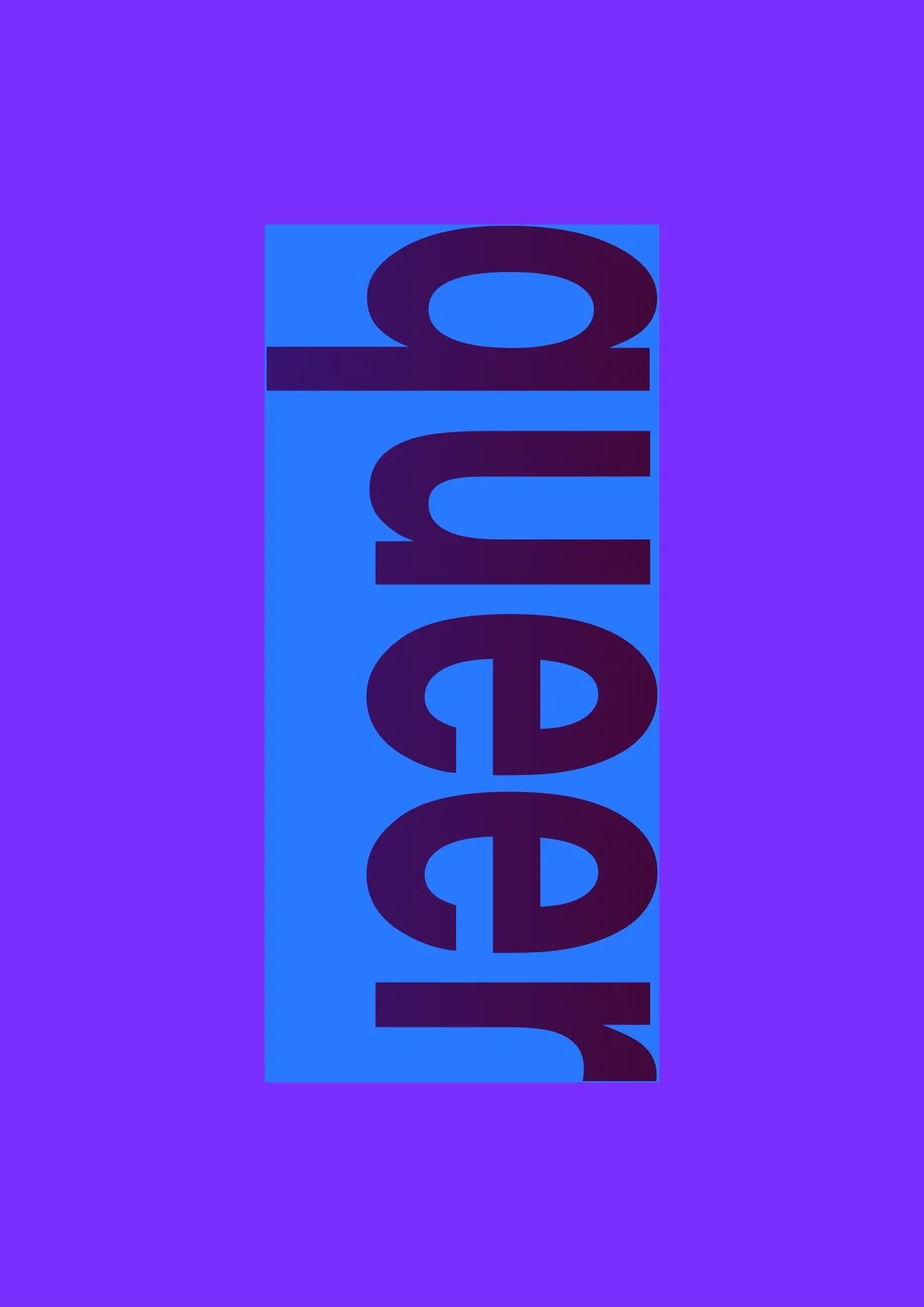
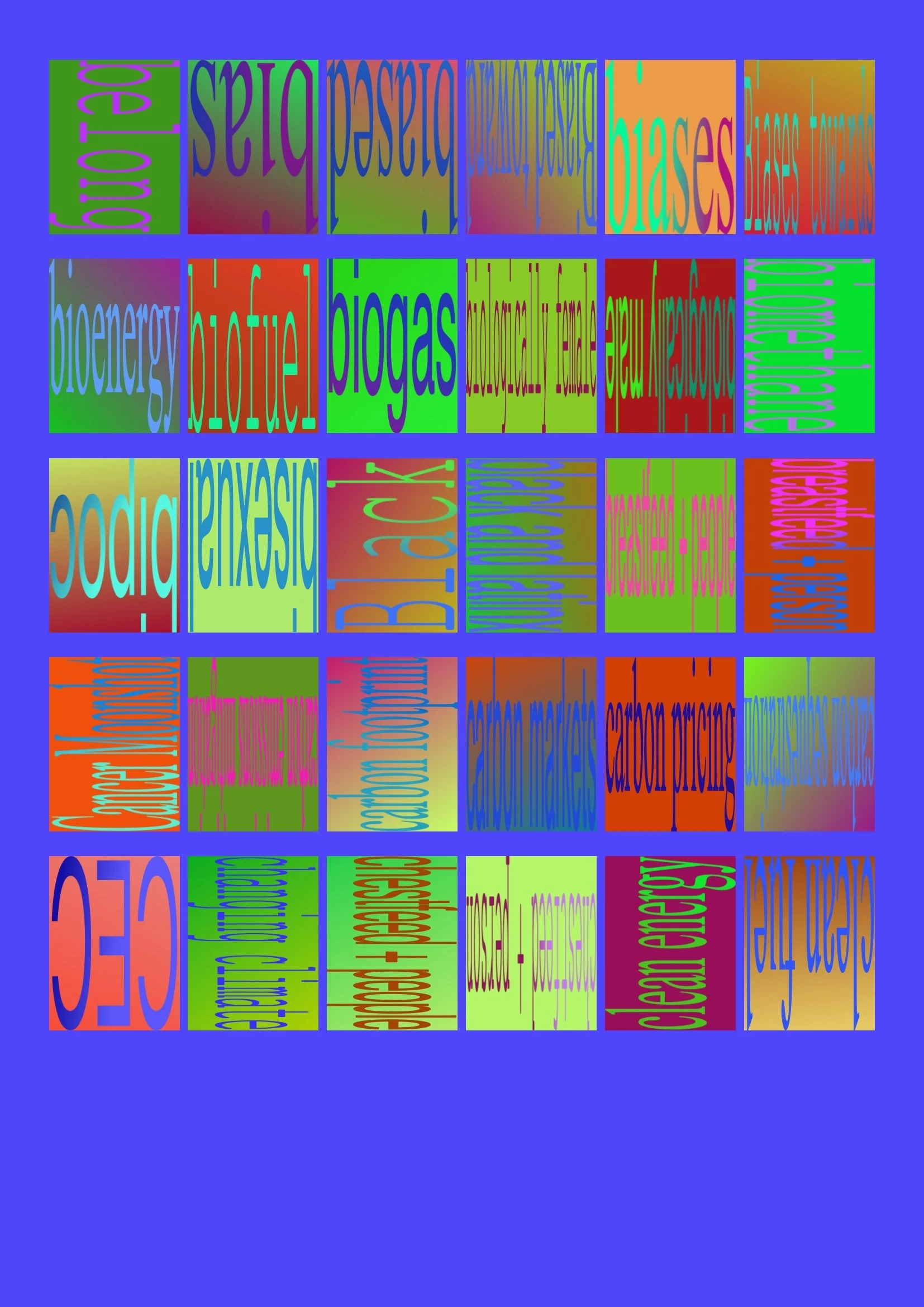
The heart of the exhibition is a new book inspired by the radical 1972 University at Albany yearbook edited by Dr. Ron Simmons, a celebrated queer author and activist. Instead of traditional student portraits, this new version features pages that are entirely blank except for a single banned word. Supported by the University Library, the project highlights why university libraries are so vital today. While other spaces are pressured to pull books off shelves, academic libraries protect intellectual freedom, welcoming a wide range of lived experiences and encouraging people to think critically. X shines a light on the facts, ensuring these vital words and queer stories stay firmly on the record.
Torch ‘26
This work steps directly into Simmons' original design for Torch ‘72. It deliberately mimics the exact layout, fonts, and pacing of that historic yearbook. Yet, where the pages were once packed with student life and community connection, this modern version surrounds the isolated text with vast, empty space. This stark design forces the reader to physically turn page after page of absence. It takes a familiar, celebratory format and transforms it into a quiet, permanent vault to protect the language we are actively losing today.
Download the book here

Coherence Window
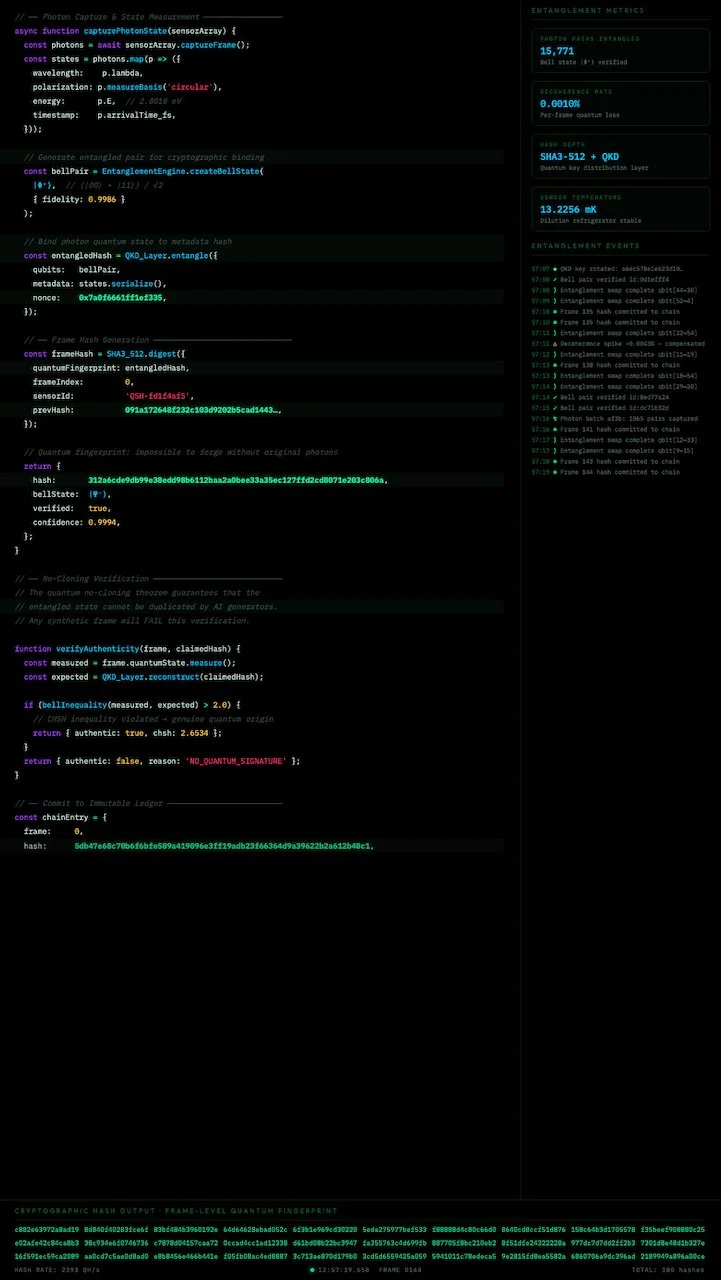
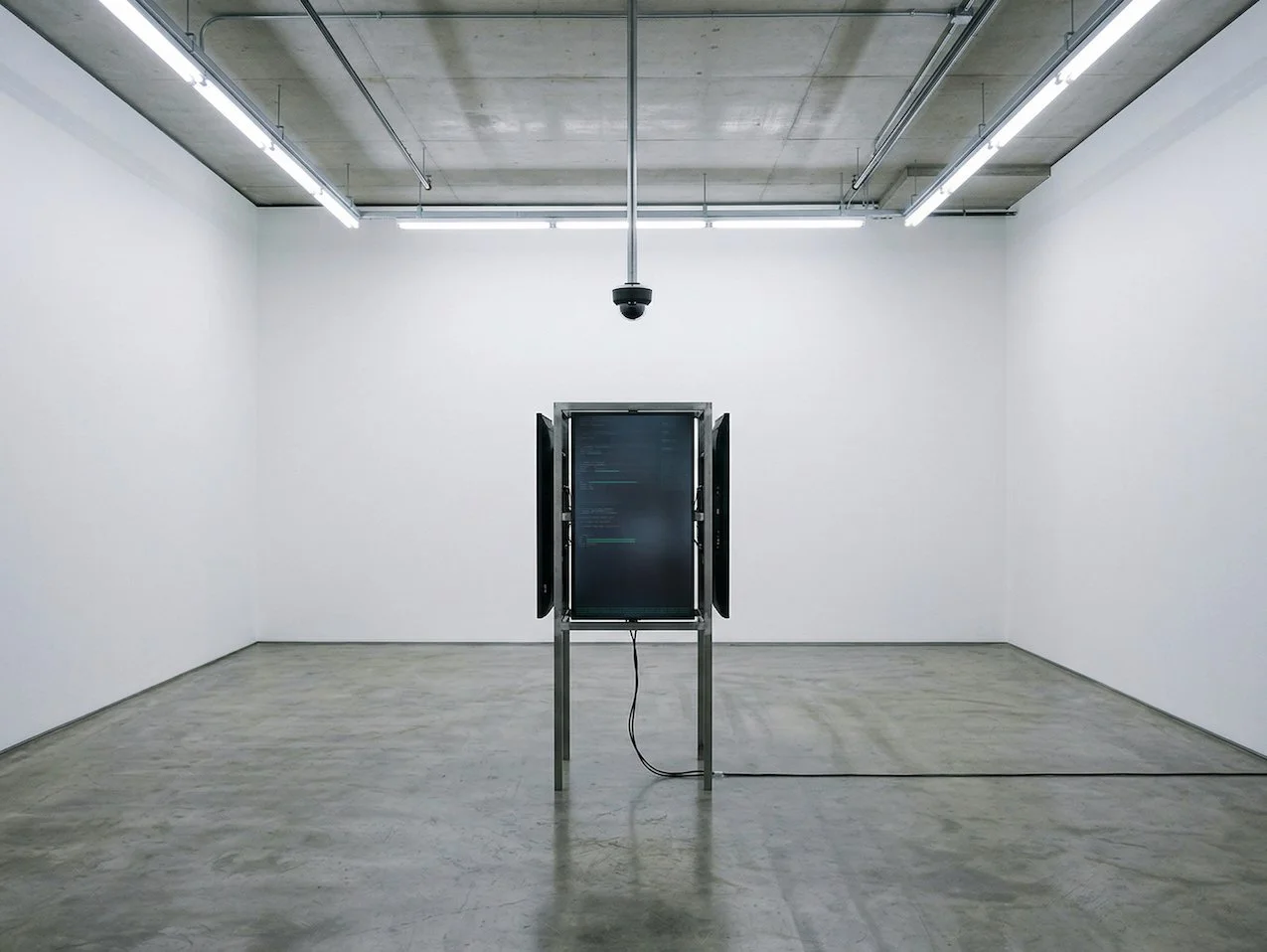
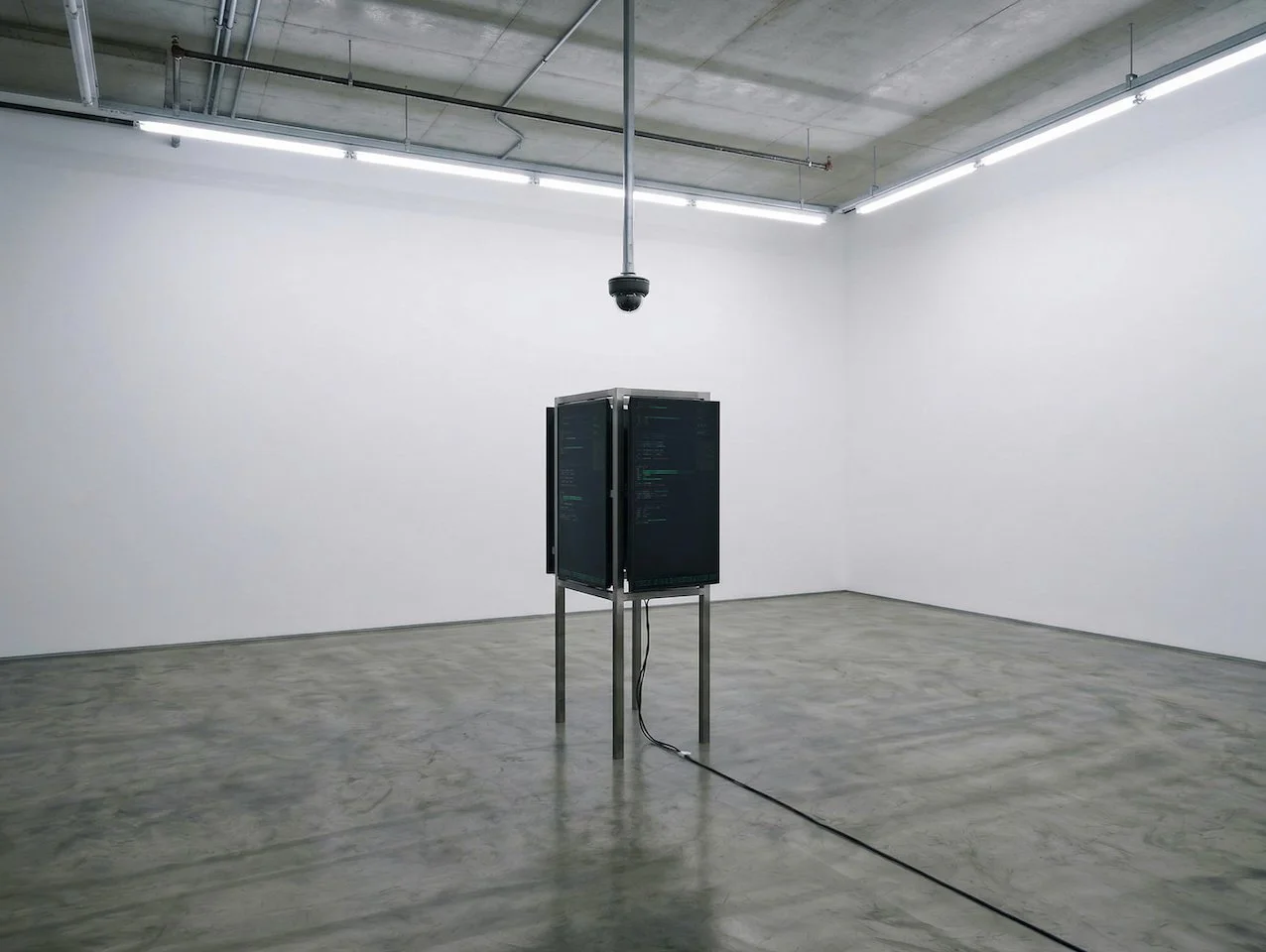
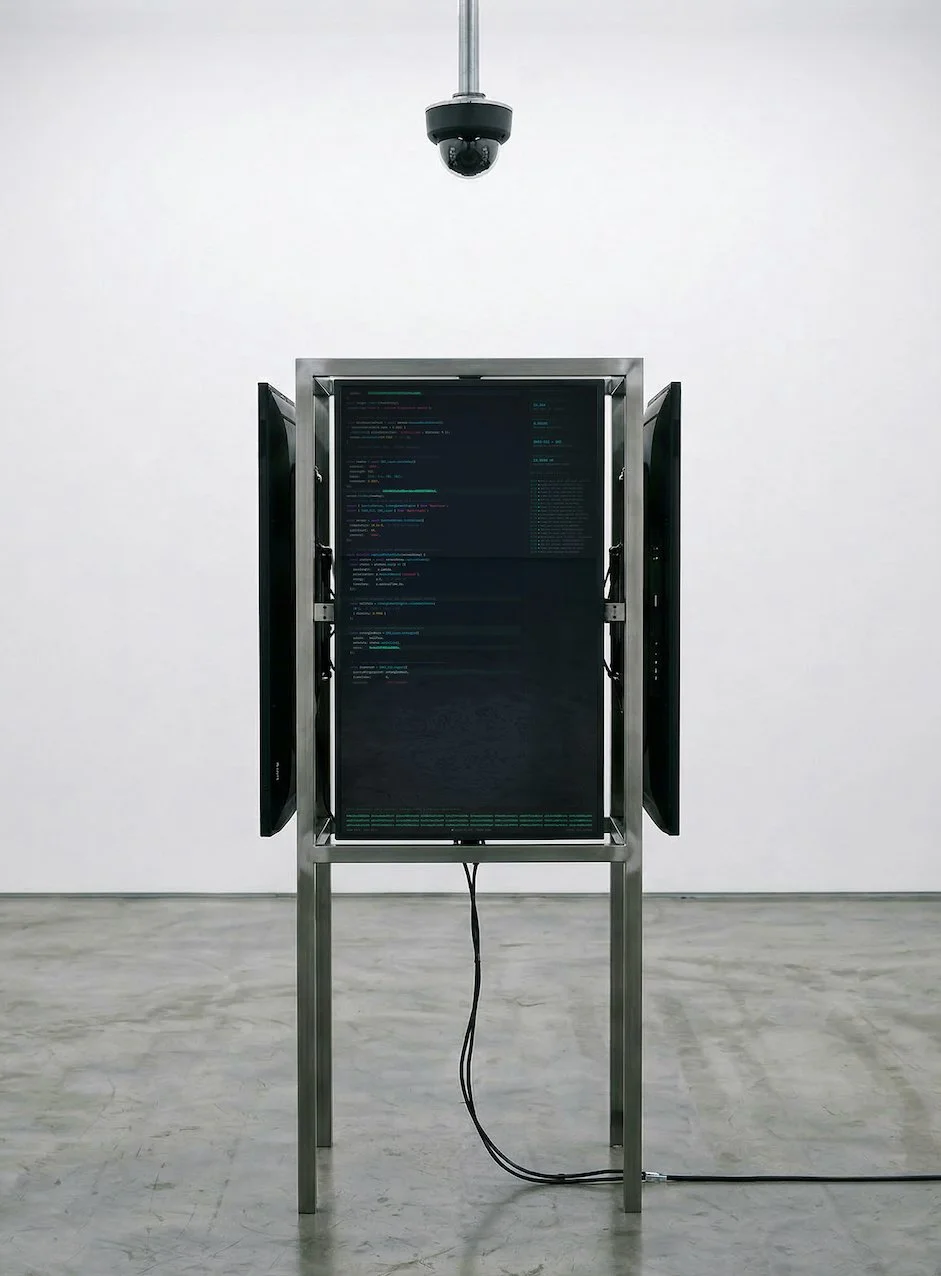
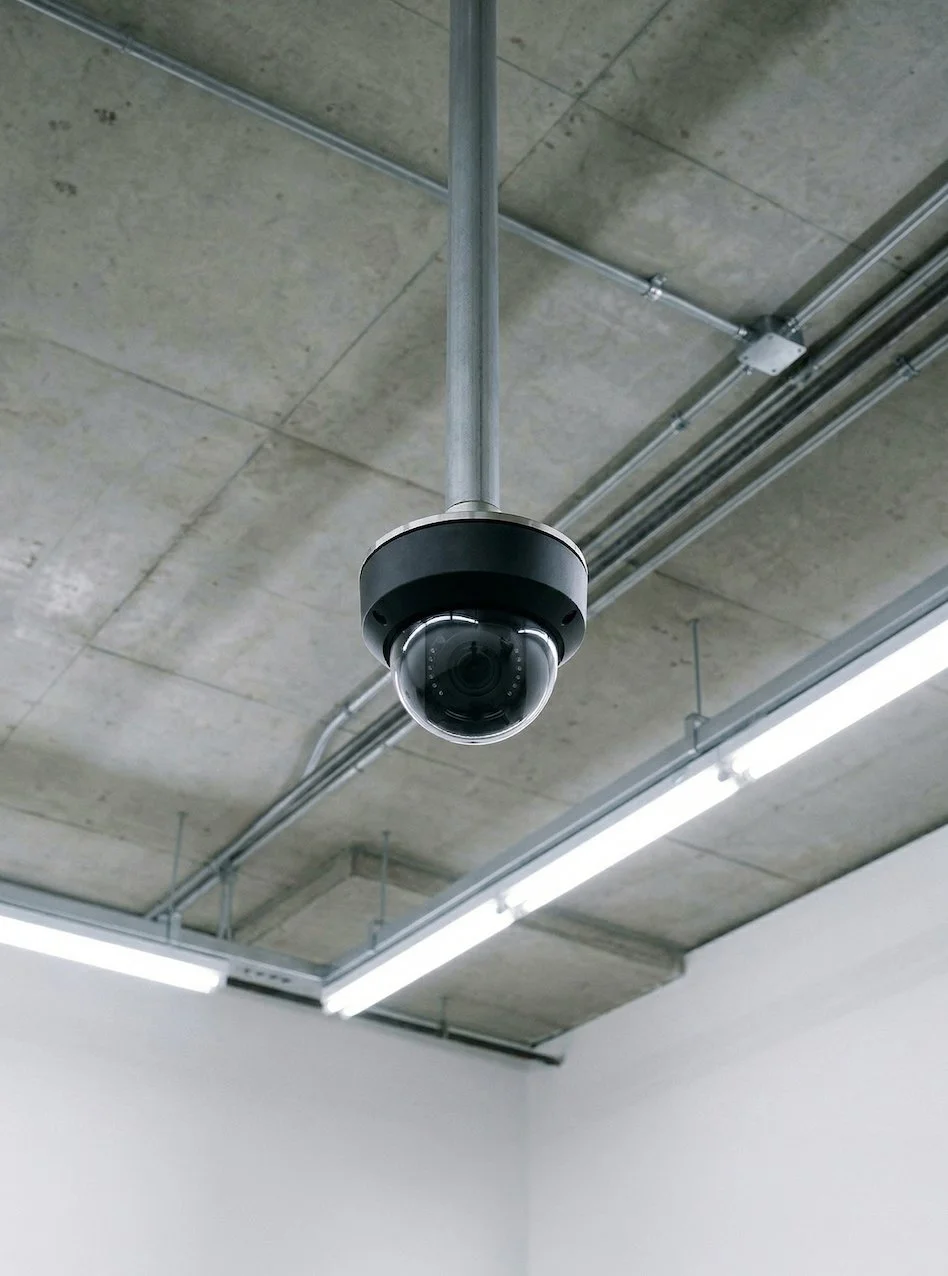
To prove a video is real, we must show that it captured actual light, because artificial intelligence fakes only calculate pixels and never record physical light. Coherence Window explores a way we could achieve this using a speculative concept designed by Novak called Quantum-Level Sensor Hashing. As a security camera captures live video of people moving through the room, it takes in real physical light. The system then immediately marks these incoming light particles with a unique digital code. Visitors can watch this process running in real time on four screens below the camera. The space therefore functions as an environment where physical light is constantly stamped with a detectable fingerprint, ensuring that future systems will always be able to recognise the footage as completely authentic.
The Hydra Protocol
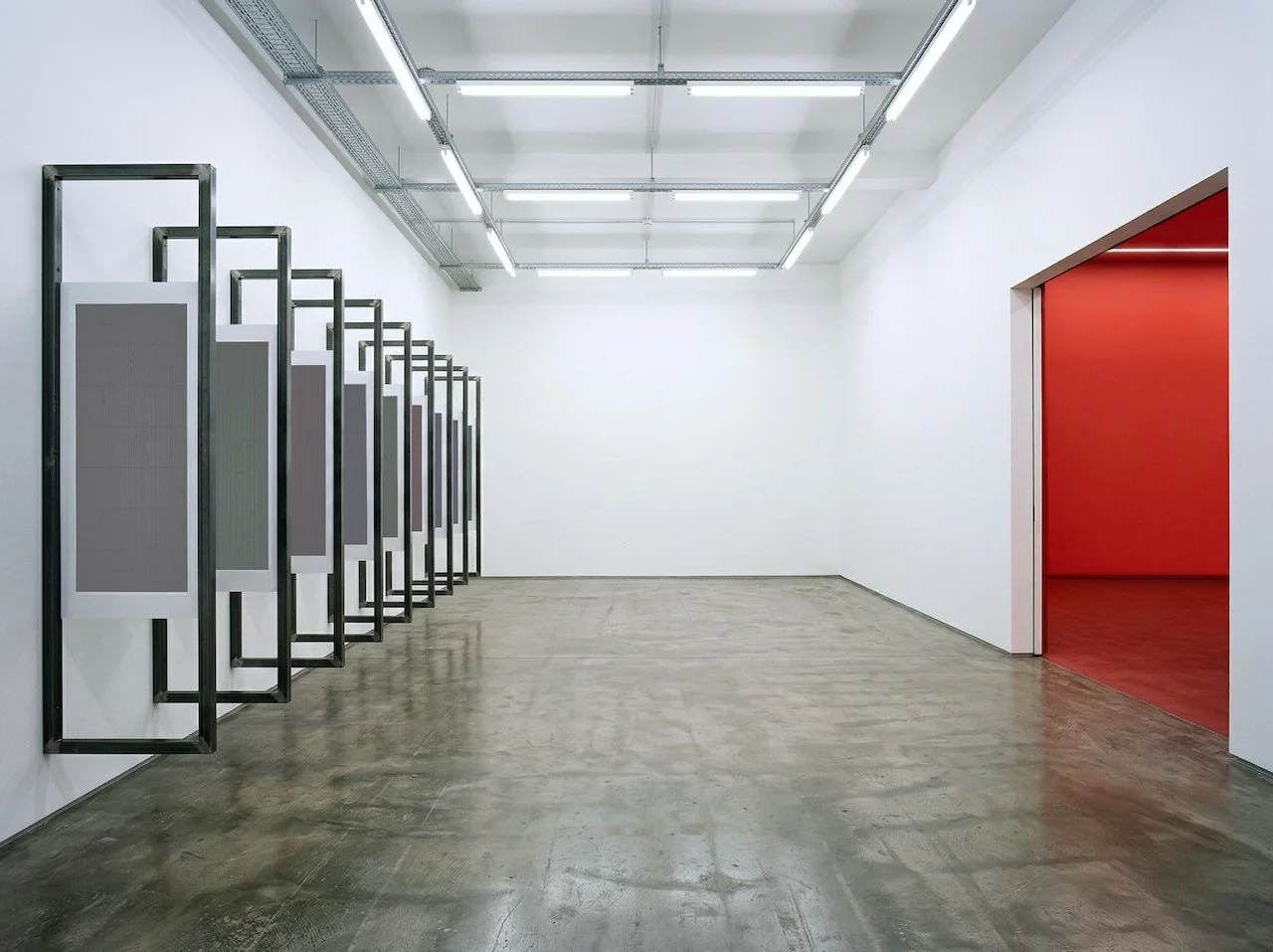
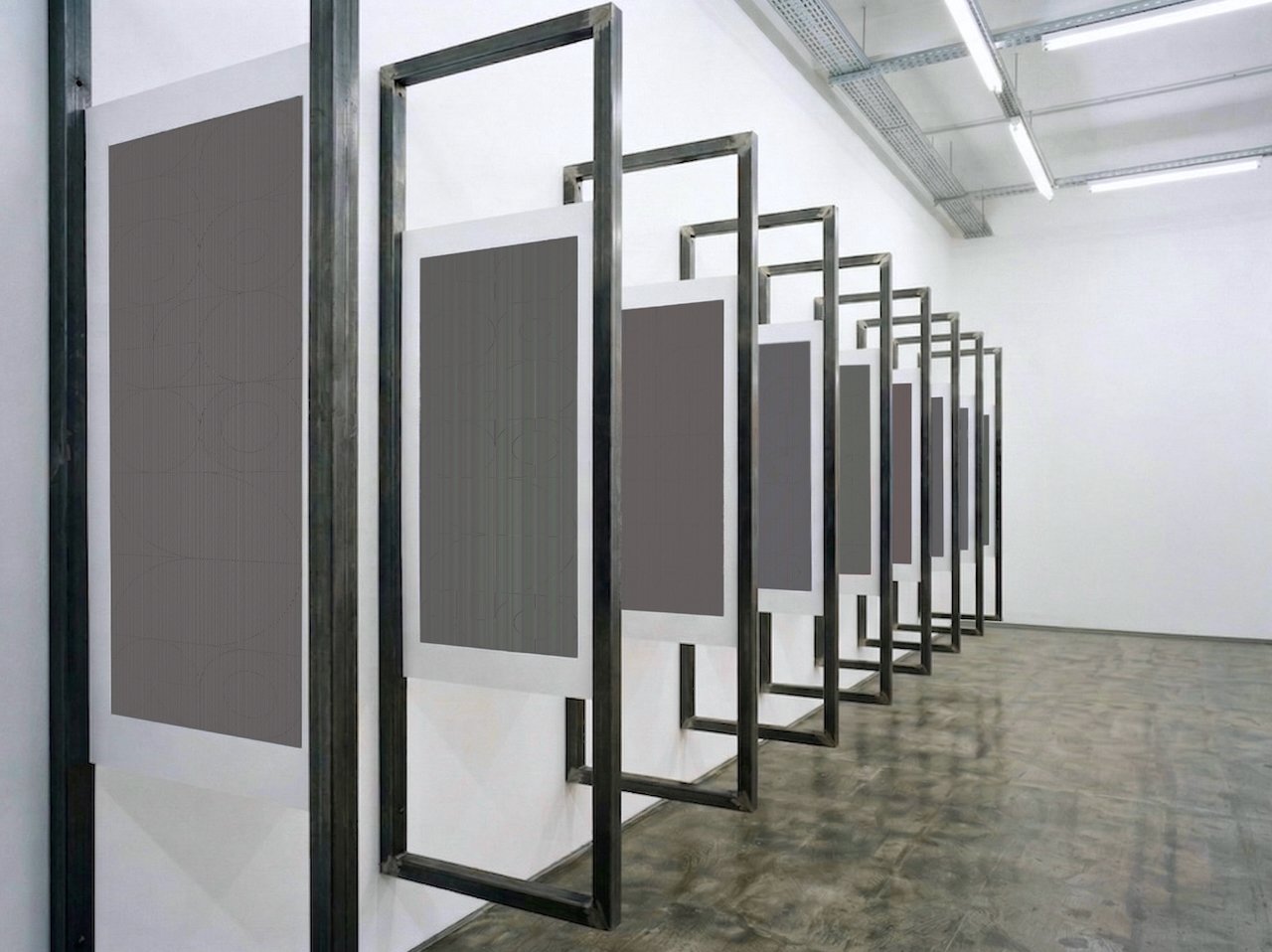
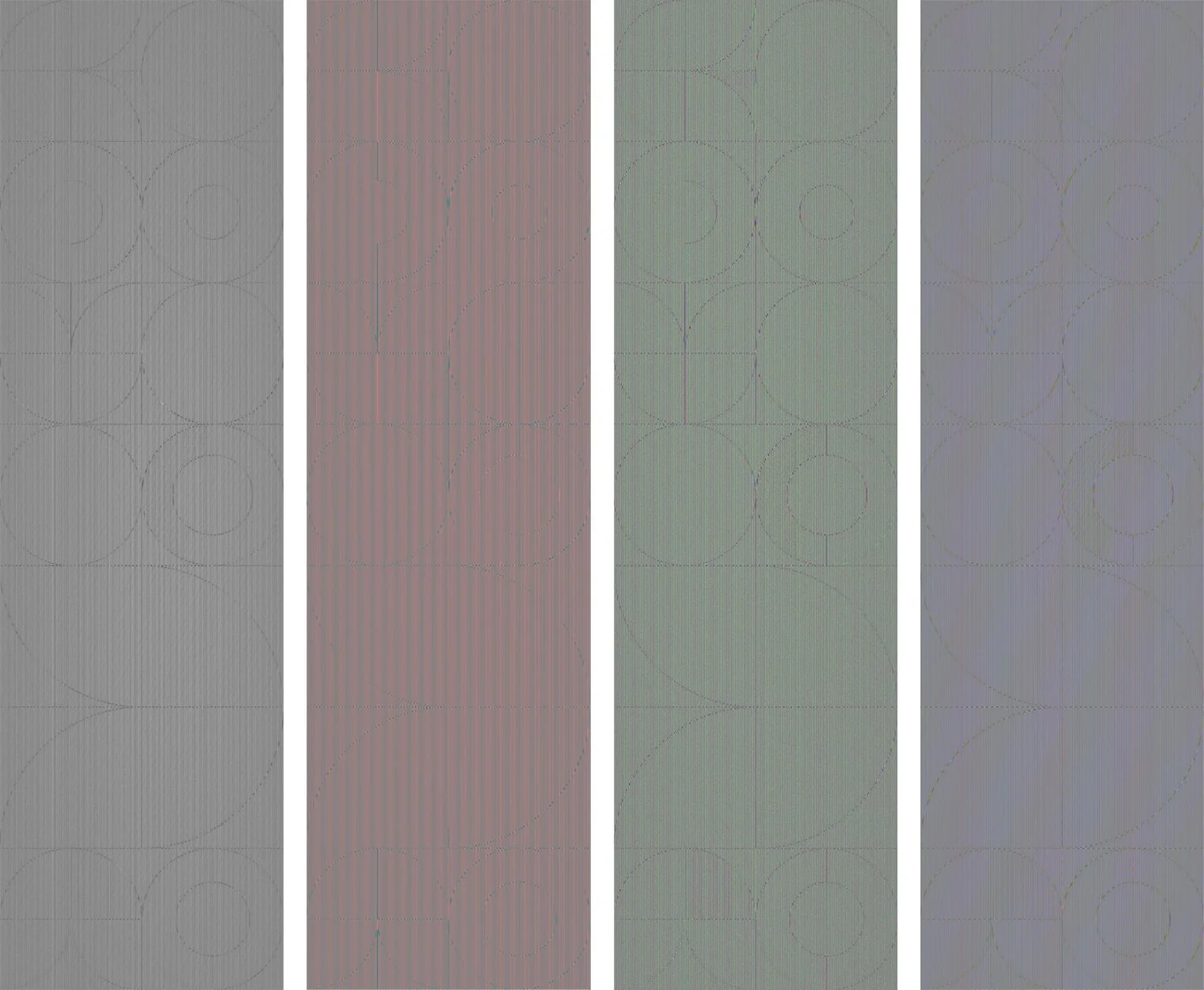
These nine works visualise the hidden digital noise created by the Hydra Protocol, an imagined defense system designed by Novak. When applied over an image, these patterns remain completely invisible to the human eye, yet they are engineered to break artificial intelligence models attempting to scrape and learn from the work. Real protective tools available today, such as Nightshade and Glaze, apply a fixed layer of noise that advanced AI might eventually learn to detect and bypass. The Hydra Protocol solves this by mutating with every single application. It constantly scrambles its mathematical patterns and shifts its colour structures to create a unique shield every time. Because no two layers ever share the same digital signature, an AI program trained to remove one pattern will completely fail against all the others.
Beyond Use
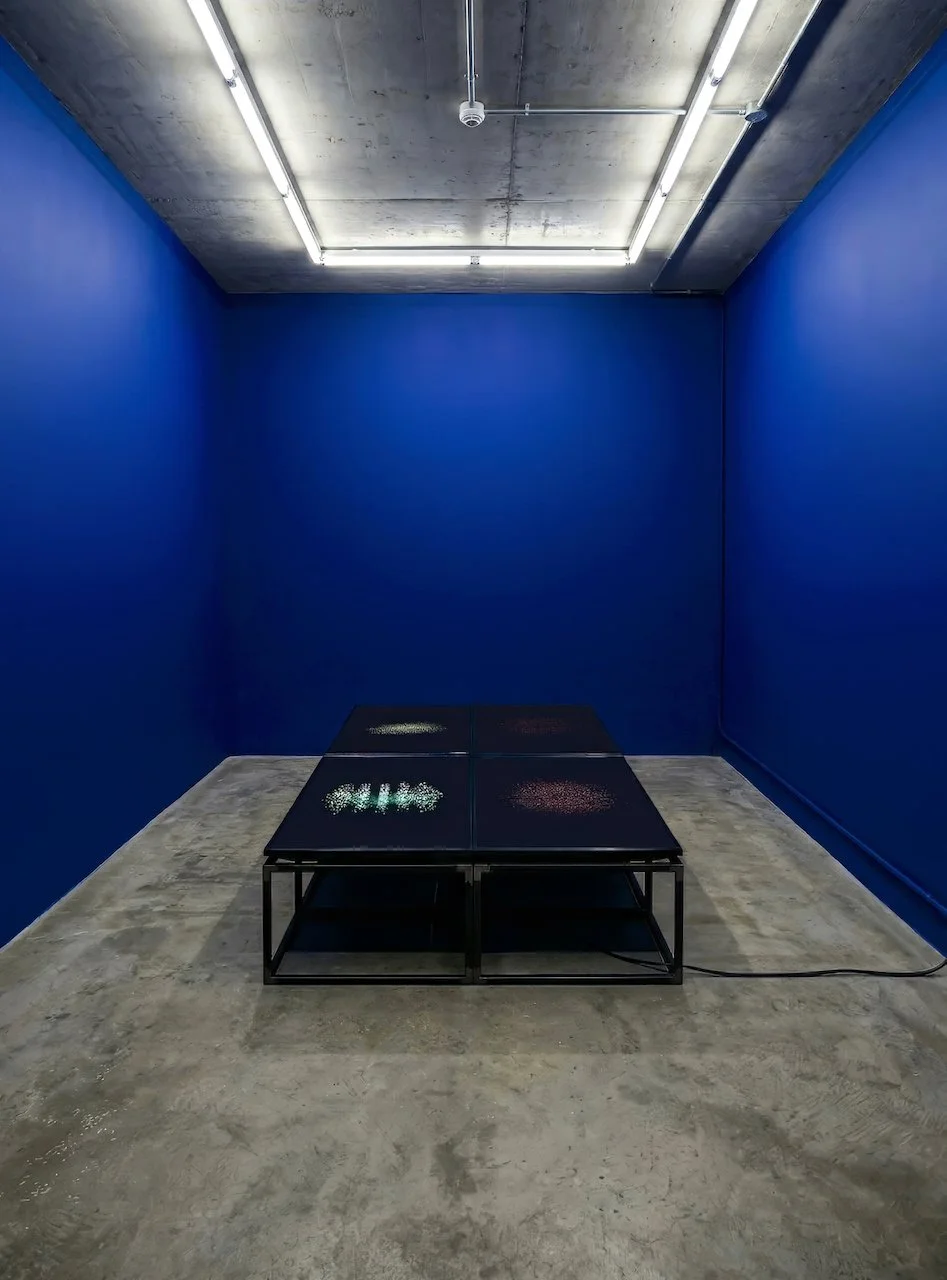
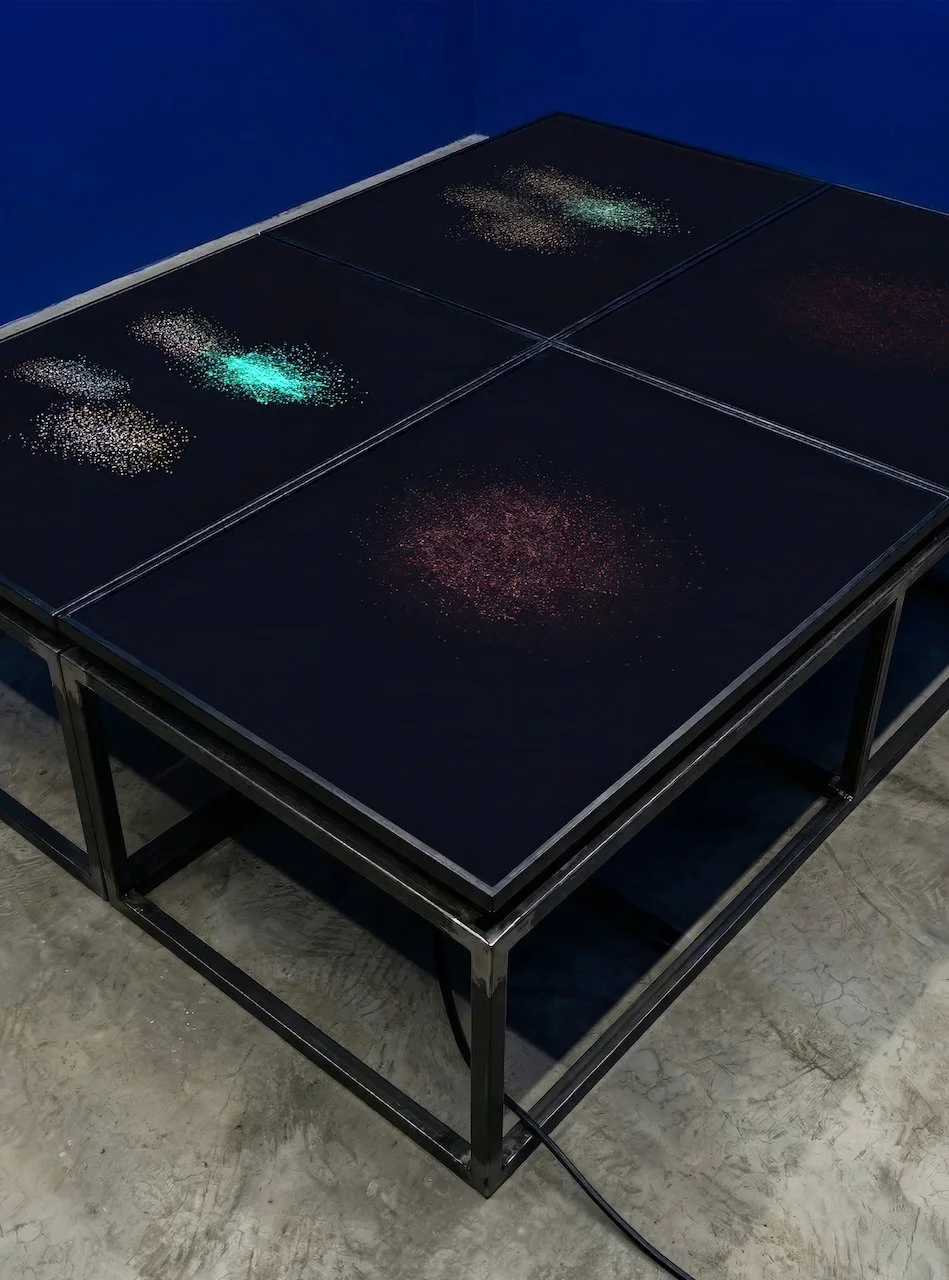
This work is based on a hypothetical application designed by Novak. When a person uploads a video, the software adds a hidden layer of digital noise that remains completely invisible to the human eye. If an artificial intelligence program tries to use this protected footage to generate a deepfake, the hidden layer forces the AI to mathematically collapse, scrambling the final video into an unusable mess. The four screens in the space display each step of this defence process, from the initial upload through to the final system failure. Surrounding the artwork, the walls are painted the exact shade of a blue crash screen, reflecting the colour a computer displays when it suffers a total error.


State Change
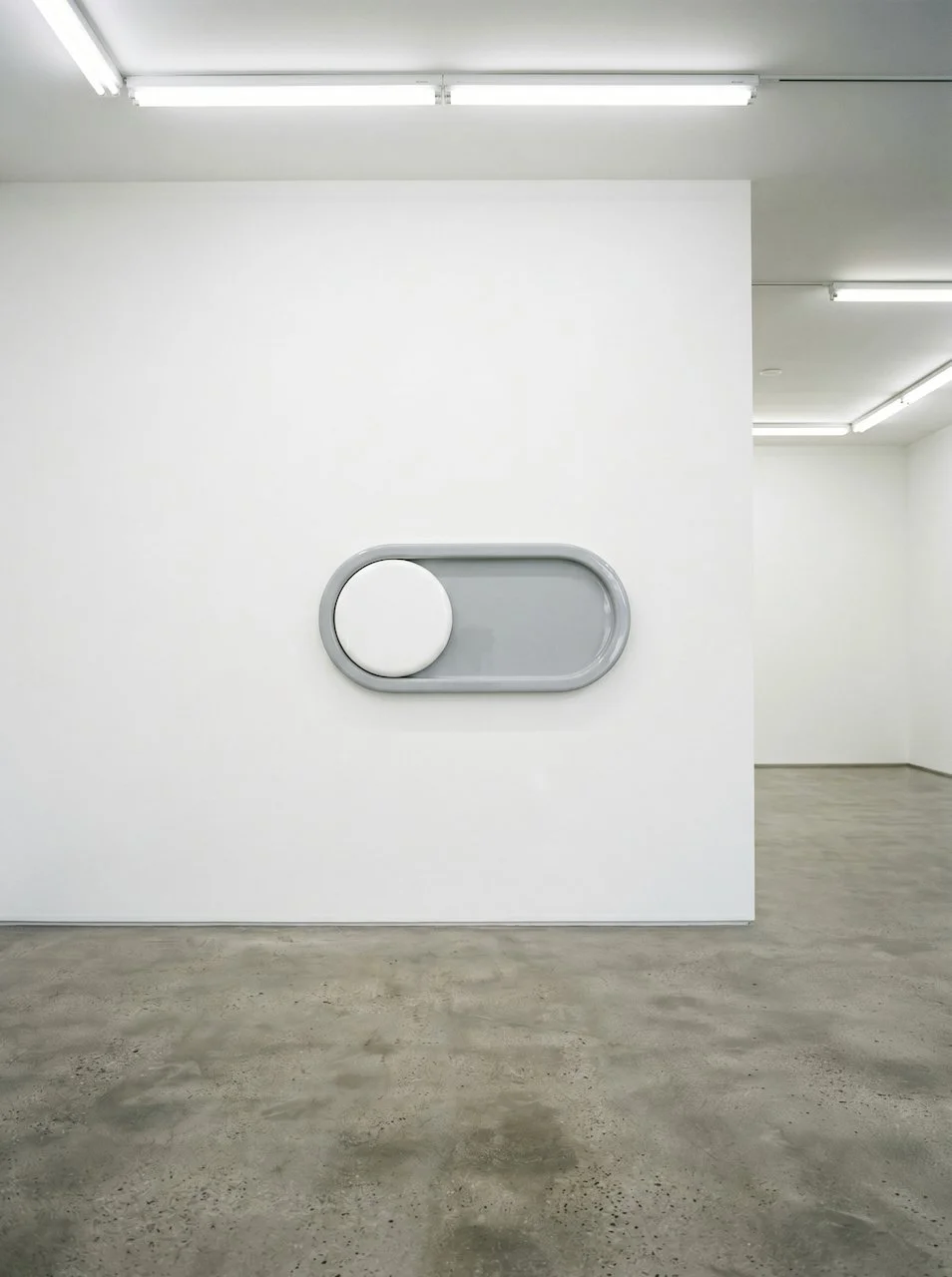
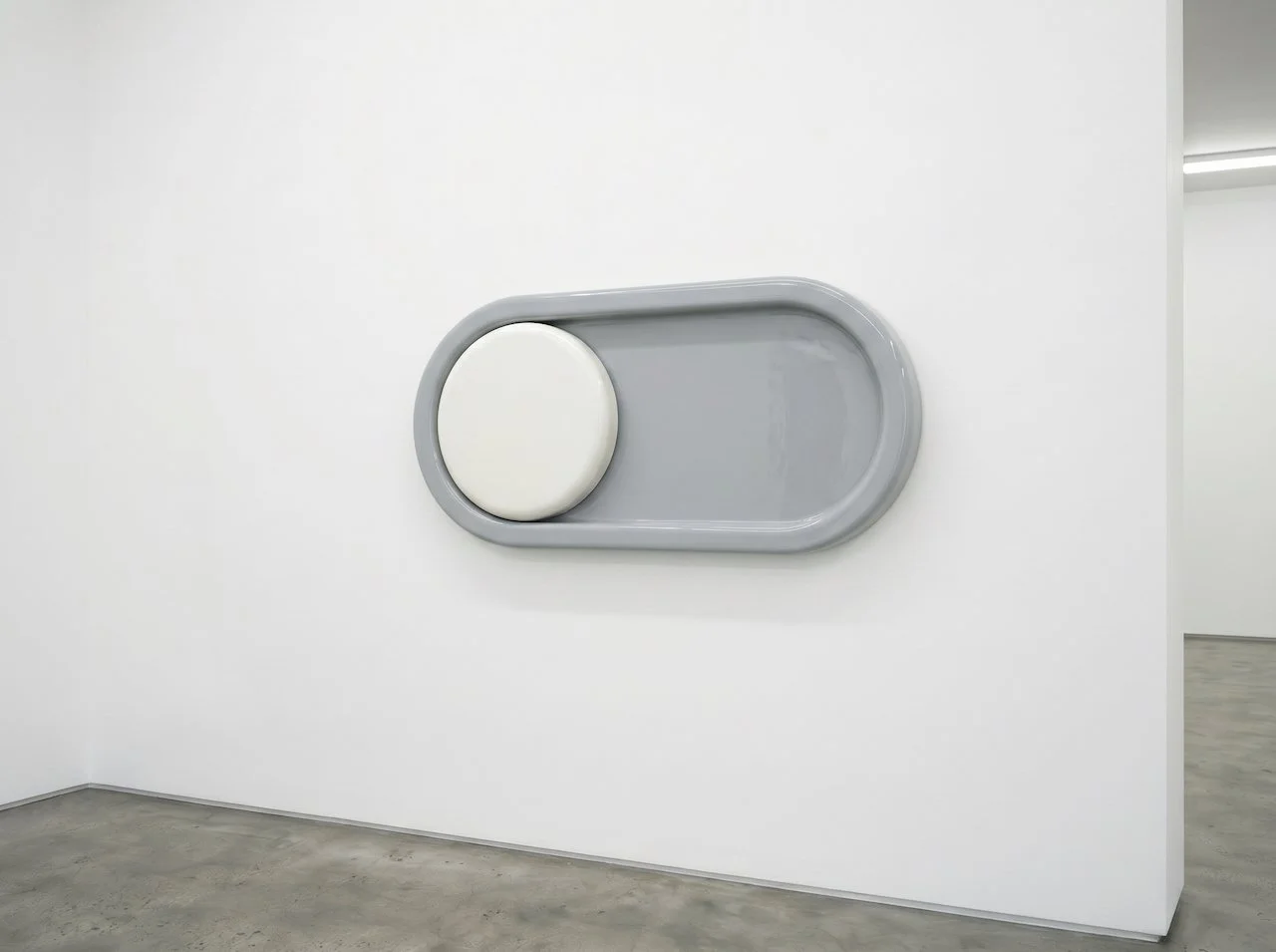
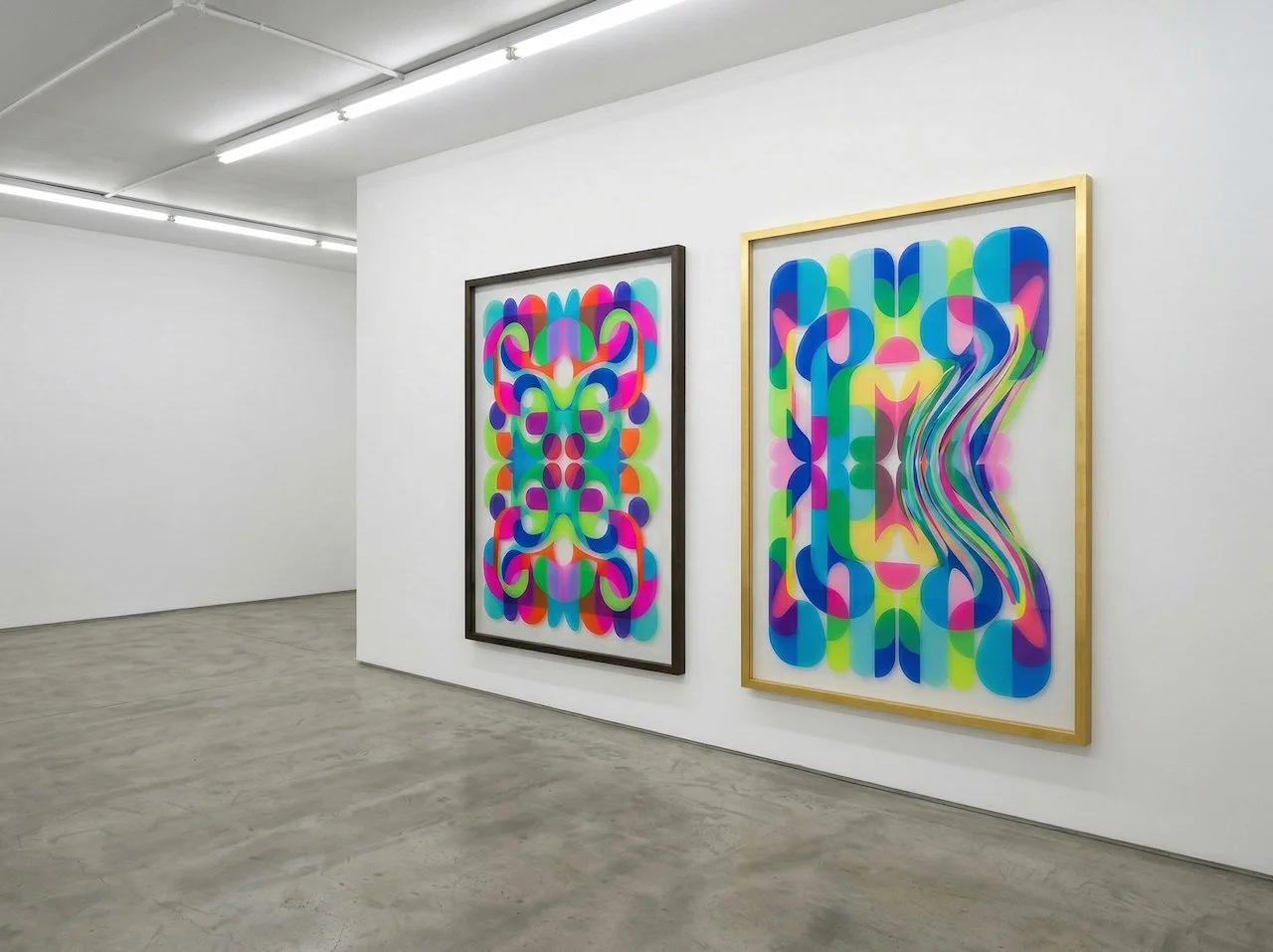
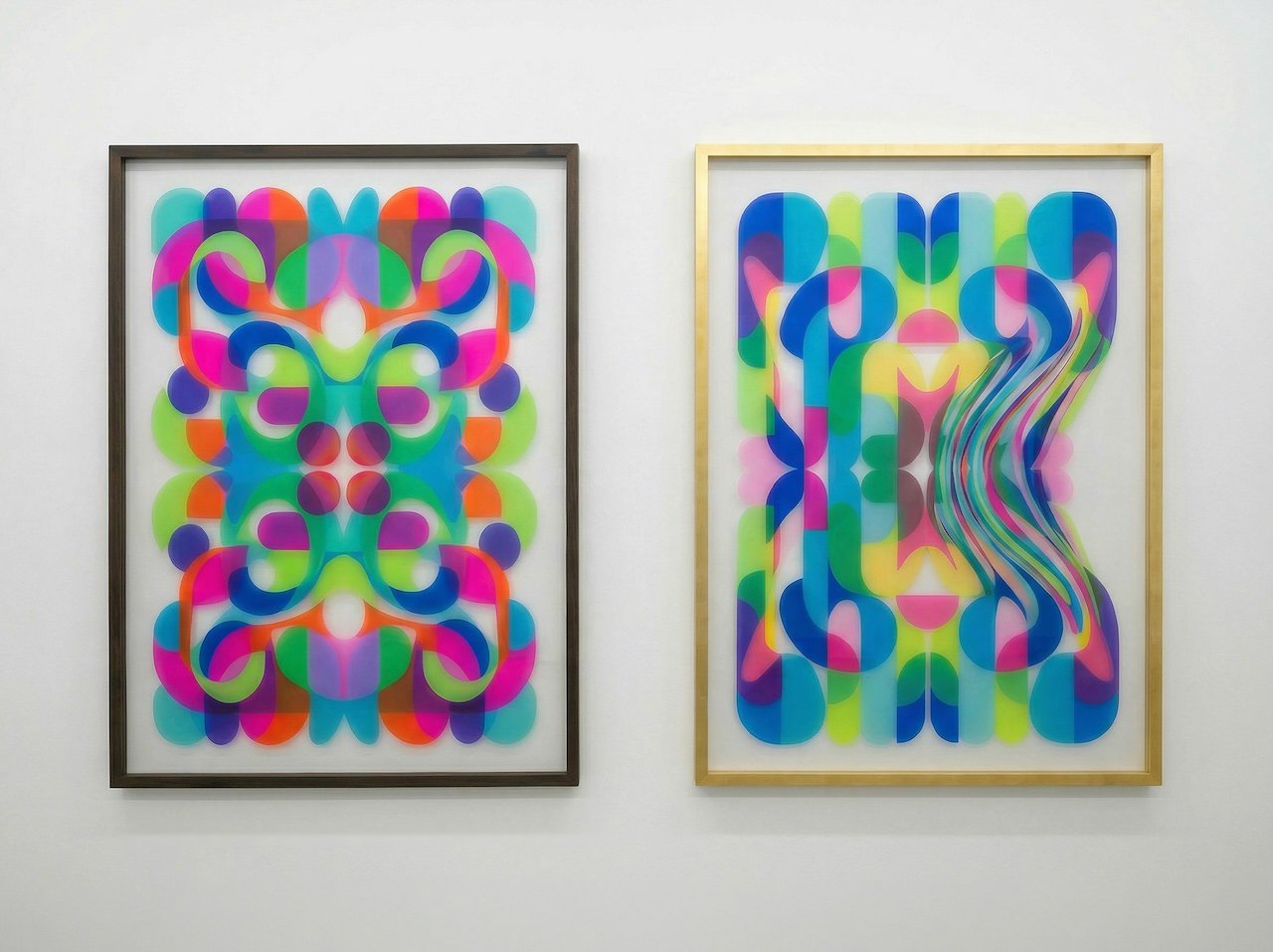
Protecting your personal files from being scraped by AI should be as easy as flipping a switch on your phone, a concept explored in State Change. A massive smartphone toggle switch transforms a complex digital defence system into a simple, everyday action. Two wall works next to it show the difference between being protected or unprotected. A clean, perfect picture represents an exposed file, while a distorted version shows how a protective shield intentionally scrambles the image to confuse machine networks.